The Truth About Acupuncture Benefits: A Doctor’s Guide for 2025

The Truth About Acupuncture Benefits: A Doctor’s Guide for 2025

Many of my patients smile nervously when they hear the word “ Yes” we could help them during our first consultation. Yet, after twenty years as a medical practitioner, I’ve watched this ancient healing art bring remarkable relief to countless people struggling with pain and discomfort.
Modern research now validates what my patients experience in my treatment room every day. Their stories of healing reach far beyond simple pain relief – from restored sleep patterns to renewed energy and vitality. My heart warms each time a skeptical patient returns with brightened eyes and renewed hope. Let me share with you the scientific evidence and patient experiences that showcase why acupuncture continues to offer such profound healing benefits in 2025.

The Science Behind Acupuncture’s Effectiveness

Your body holds remarkable wisdom in healing itself. Harvard Medical School neuroscientists recently unveiled fascinating discoveries about specific neurons that light up during acupuncture, triggering natural anti-inflammatory responses.
My patients often ask me how those tiny needles create such powerful healing effects. Their curiosity led me to explain the beautiful symphony of biological responses that unfold during treatment:
• Your body releases endorphins – nature’s own pain-relieving molecules
• Your central nervous system awakens to promote healing
• Your neurotransmitter systems begin their gentle balancing act
• Your immune response adjusts to restore harmony
The magic happens when acupuncture needles prompt your skin cells to release ATP, which quickly transforms into adenosine – your body’s natural pain reliever. This explains why my patients who experience the gentle tingling sensation called de qi often see the best results. Research shows this sensation matters – 82.1% of studies link it directly to better outcomes.
Through years of treating patients, I’ve learned the gentle art of timing and frequency. Subtle differences make profound impacts – like how low-frequency electroacupuncture (2-10 Hz) soothes nerve pain more effectively than higher frequencies.
What touches my heart most deeply is seeing long-lasting relief in my patients. A large study of 20,827 people with chronic pain confirms these experiences – showing significantly better results than other treatments, with 85% still feeling better after a full year.

Evidence-Based Benefits Across Medical Conditions

My treatment room tells countless stories of healing – each patient bringing unique challenges that acupuncture helps address. Scientific research now echoes these daily miracles I witness.
Your digestive system responds beautifully to acupuncture’s gentle touch. Clinical studies confirm what my patients experience – better GI motility, protected stomach lining, and reduced sensitivity. My heart warms seeing patients with Crohn’s disease and ulcerative colitis find relief through combined acupuncture and moxibustion treatments, their inflammation levels notably decreasing.
Mental health healing often requires tender care. One patient’s tears of relief stay with me – her depression lifting after several sessions. Research mirrors her experience, with an 8-week study showing remarkable improvements in mood. Pregnant mothers particularly touch my heart, finding gentle support through acupuncture during their emotional journey.
Cancer patients hold a special place in my practice. Their courage inspires me daily as acupuncture helps ease their challenging journey. Research supports what we see in the treatment room:
• Relief from chemotherapy-induced nausea and vomiting
• Soothing of cancer-related pain
• Renewed energy during treatment
• Peaceful sleep returning to survivors
The results speak clearly – acupuncture outperforms even standard anti-nausea medications like ondansetron during chemotherapy. A careful review of 1,327 patients across 10 studies echoes this success, recommending acupuncture for cancer-related fatigue. These findings validate the grateful smiles I see when patients find their strength returning.

Debunking Myths Through Clinical Research

Skepticism often walks through my clinic door. “Does it really work?” patients ask, their eyes filled with doubt yet hope. Science offers clear answers to their questions, validating what we see in practice every day.
Your body’s response to acupuncture tells a powerful story through clinical evidence. Picture 17,922 patients with chronic pain finding genuine relief – significantly better than both pretend treatments and usual care. These results warm my heart, especially when longtime skeptics discover healing they never thought possible.

Brain scans and laboratory findings reveal beautiful truths about acupuncture’s effects: • Your brain lights up in specific healing patterns during treatment
• Your body naturally calms inflammation and rebalances hormones
• Your brain actually rewires itself through regular sessions

Medical organizations worldwide now embrace what my patients experience. The World Health Organization and National Institutes of Health recognize acupuncture’s healing power. German healthcare systems even cover treatments, having seen the profound results firsthand.
One study particularly moves me – 4,419 migraine patients found the same relief from acupuncture as they did from conventional medicines, but without troublesome side effects. Their stories mirror what I witness daily – peaceful smiles replacing worried frowns.
Each passing year brings new scientific understanding of this gentle healing art. While researchers continue unveiling its mysteries, one truth remains constant – your body holds remarkable wisdom in healing itself, and acupuncture helps unlock this natural potential.
Your healing journey matters deeply to me. Every day in my clinic, science and ancient wisdom merge as patients find relief through acupuncture’s gentle touch. Research beautifully confirms what we witness – from natural endorphin release to immune system harmony.
My heart fills with hope watching patients overcome chronic pain, digestive troubles, emotional challenges, and cancer-related symptoms. Thousands of clinical studies echo their success stories, showing better results than both pretend treatments and standard care alone.
Remember those raised eyebrows from skeptical first-time patients? Brain imaging studies now reveal what they soon discover – acupuncture creates real, measurable changes in your body. Medical organizations worldwide recognize these profound benefits, while insurance companies increasingly support this path to healing.
Your body holds remarkable wisdom in healing itself. Each needle placement honors this ancient knowledge while modern research unveils new understanding. Trust grows in my treatment room as patients find their way back to wellness through skilled, gentle care. Science speaks clearly – acupuncture offers you a safe harbor in your journey toward health and vitality.
If you would like to start your journey, Contact Acupuncture and Wellness Clinic
We encourage you to reach out to us at Acupuncture and Wellness Clinic. Dr. Min K. Jeon has years of experience treating chronic complex conditions to bring back function to your health
We warmly invite you to schedule a free consultation with Dr. Min.
During this session, she will discuss your concerns, answer questions, assess your condition, and create a potential treatment plan tailored to your specific needs.


Let Thanksgiving Inspire an Attitude of Gratitude Throughout the Year!!!  – May This Help to Continue Inspiring You Every Year!

Let Thanksgiving Inspire an Attitude of Gratitude Throughout the Year!!! – May This Help to Continue Inspiring You Every Year!

Originally Published November 23, 2023

As Thanksgiving arrives, the energy is full of warmth and gratitude, marking a special time when families and friends gather to celebrate the blessings in their lives. The aroma of the holiday fills the air, echoing the richness of the relationships and experiences that have shaped our journeys. Thanksgiving serves as a reminder to express appreciation and gratitude for the simple pleasures and profound moments that often go unnoticed in the hustle of daily life. It inspires us to reflect on the abundance that has enriched our lives through the years.

While Thanksgiving is traditionally the time for expressing gratitude, the benefits of incorporating gratitude into our daily lives extend far beyond a single holiday. Join us on this exploration of the profound benefits that embracing gratitude brings to our lives—a journey that goes beyond mere words of thanks and dives deep into the numerous physical, psychological, and social advantages that arise from nourishing a grateful mindset throughout the entire year.

Understanding Gratitude

Gratitude is an emotion and a mindset that centers around acknowledging and being thankful for things, experiences, people and more. Gratitude involves a deep sense of appreciation and can be directed towards a wide range of things, including, but not limited to, relationships, achievements, opportunities, nature, and even simple everyday moments.

These are some key elements of gratitude:

Recognition: Gratitude begins with recognizing positive aspects of life. This involves being mindful and paying attention to the good things that happen, even in the midst of challenges.

Appreciation: Once recognized, gratitude involves appreciating and valuing elements in one’s life. This goes beyond mere acknowledgment and involves a genuine sense of thankfulness.

Acknowledgment of Source: Gratitude often includes recognizing the source of the goodness in one’s life. This could be other people, nature, the universe, or even personal efforts. Understanding where the positivity comes from enhances the depth of gratitude.

Positive Emotion: Gratitude is accompanied by positive emotions such as joy, happiness, and contentment. It has the power to shift one’s focus from what is lacking to what is abundant in life.

Expression: Gratitude is not just an internal experience; it often involves expressing thanks or appreciation. This can be done through verbal communication, writing, or other forms of creative expression.

Cultivation: Gratitude can be cultivated and strengthened through intentional practices. Activities such as keeping a gratitude journal, expressing thanks daily, or engaging in mindfulness exercises can help foster a more grateful outlook on life.

What Can Happen to Your Mind and Body When You Are Grateful?

Research has shown that practicing gratitude is linked to numerous psychological and physical health benefits:

Neurotransmitter Release:

Dopamine and Serotonin: Gratitude has been linked to the release of neurotransmitters, particularly dopamine and serotonin. These chemicals play crucial roles in regulating mood and emotions. When we express gratitude, the brain responds by releasing dopamine, which is associated with pleasure and reward. Simultaneously, serotonin, often referred to as the “feel-good” neurotransmitter, is released, potentially contributing to an overall sense of well-being and happiness.

Brain Rewiring:

Neuroplasticity: The practice of gratitude is believed to induce neuroplastic changes in the brain. Neuroplasticity refers to the brain’s ability to reorganize itself by forming new neural connections throughout life. Regular engagement in gratitude exercises is thought to create neural pathways associated with positive thinking, thereby rewiring the brain for a more optimistic outlook.

Endocrine System Regulation:

Cortisol Levels: Gratitude has been associated with reduced levels of cortisol, the primary stress hormone. Chronic stress can lead to an overproduction of cortisol, contributing to various health issues. By expressing gratitude, individuals may potentially experience a downregulation of the stress response, leading to lower cortisol levels and a more relaxed physiological state.

Immune System Enhancement:

Immune Cell Production: Gratitude’s impact on positive emotions is linked to the production of immune cells. Studies suggest that individuals who regularly practice gratitude exhibit increased production of T-cells, B-cells, and other components of the immune system. These immune cells play a crucial role in defending the body against pathogens, contributing to overall immune system strength.

Heart Health:

Blood Pressure Regulation: Gratitude has been correlated with lower blood pressure levels. Chronic stress and negative emotions can contribute to elevated blood pressure, increasing the risk of cardiovascular issues. Gratitude, by promoting relaxation and reducing stress, acts as a protective factor for heart health, potentially contributing to optimal blood pressure regulation.

Oxytocin Release:

Bonding Hormone: Expressing gratitude is associated with the release of oxytocin, often referred to as the “bonding hormone” or “love hormone.” Oxytocin plays a role in social bonding, trust, and empathy. Increased levels of oxytocin contribute to the formation and strengthening of social connections, fostering a sense of connection and well-being.

Inflammatory Response:

Inflammation Reduction: Gratitude has been linked to a reduction in inflammatory markers in the body. Chronic inflammation is associated with various diseases, including cardiovascular conditions, diabetes, and autoimmune disorders. By promoting positive emotions, gratitude may potentially modulate the inflammatory response, contributing to overall health.

Pain Perception and Endorphin Release:

Endorphins: Gratitude’s positive emotional impact may potentially influence the perception of pain. The expression of gratitude is associated with the release of endorphins, the body’s natural painkillers. Increased endorphin levels contribute to a sense of well-being and may potentially alleviate the perception of physical discomfort.

Hormonal Balance:

Hormones such as DHEA: Gratitude may influence the balance of hormones, including dehydroepiandrosterone (DHEA). DHEA is considered a precursor hormone with potential anti-aging effects and is associated with improved immune function. Gratitude’s positive effects on hormonal balance may potentially contribute to overall well-being and health.

In essence, the scientific explanation of gratitude’s impact on the body reveals a cascade of interconnected processes. From neurotransmitter release and neuroplasticity to endocrine system regulation and immune system enhancement, expressing gratitude may potentially positively influence our physiological state. These scientific insights reinforce the idea that gratitude is not just a subjective feeling; it is a tangible force with profound effects on our bodies, contributing to a healthier and more resilient life.

How Can Being Grateful Potentially Enhance Your Life?

The benefits of practicing gratitude are immense and wide-ranging. Here are some of the potential benefits:

Improved Mental Health: Unraveling the Mind-Body Connection
Gratitude has been linked to improved mental health, acting as a protective shield against stress, anxiety, and depression. When we express gratitude, our brains release dopamine and serotonin—neurotransmitters responsible for feelings of happiness and contentment. By fostering a positive outlook, gratitude may rewire our neural pathways, potentially promoting resilience in the face of life’s challenges.

Enhanced Relationships: The Glue of Connection
Gratitude serves as the glue that binds relationships together. When we express appreciation and thankfulness, we often strengthen the bonds with those around us. Whether it’s a simple “thank you” or a heartfelt note of gratitude, acknowledging the positive contributions of others potentially creates a reciprocal cycle of kindness and strengthens the fabric of our social connections.

Stress Reduction: A Calming Balm for the Mind
In the midst of life’s inevitable stressors, gratitude may act as a calming balm for the mind. By focusing on what we are thankful for, we shift our attention away from worry and anxiety. This intentional redirection of thought has been shown to lower cortisol levels—the body’s primary stress hormone—resulting in a calmer, more centered state of being.

Improved Sleep Quality: The Sweet Rewards of Thankfulness
Gratitude isn’t just a daytime practice; it extends its benefits into the realm of sleep. Studies have shown that individuals who regularly express gratitude experience better sleep quality and duration. By cultivating a sense of peace and contentment, gratitude may potentially create an optimal mental state for restful sleep, contributing to overall health and vitality.

Boosted Immune System: The Healing Power of Positivity
Gratitude isn’t just a mood booster; it’s a potent elixir for our immune system. The positive emotions associated with gratitude have been linked to increased production of immune cells and enhanced immune function. By fostering an environment of positivity, gratitude may potentially provide our bodies with the tools they need to defend against illness and promote overall health.

Increased Resilience: Navigating Life’s Storms with Grace
Life is a journey filled with both triumphs and tribulations. Gratitude potentially equips us with the tools to navigate the storms with grace and resilience. By focusing on the silver linings, even in challenging situations, we often develop a mindset that sees opportunities for growth and learning amid adversity.

Heightened Empathy: Fostering Compassionate Hearts
Gratitude has the power to open our hearts to the experiences of others. When we cultivate thankfulness, we may potentially become more attuned to the needs and emotions of those around us. This heightened empathy often fosters compassion, creating a ripple effect of kindness and understanding in our communities.

Increased Productivity: Fueling the Drive for Success
Gratitude isn’t just a feel-good emotion; it can be powerful motivator that fuels our drive for success. When we acknowledge and appreciate our achievements, no matter how small, it tends to create a positive feedback loop that encourages us to set and pursue new goals. This sense of accomplishment and forward momentum can significantly boost productivity in both personal and professional realms.

Lower Blood Pressure: A Heartfelt Approach to Cardiovascular Health
Studies suggest that individuals who regularly practice gratitude may experience lower blood pressure. The relaxation response triggered by feelings of thankfulness contributes to improved cardiovascular health. By promoting a sense of calm and reducing the physiological effects of stress, gratitude potentially becomes a heart-healthy practice with long-term benefits.

Improved Self-Esteem: Nurturing a Positive Self-Image
Gratitude has the remarkable ability to enhance our self-esteem and self-worth. When we focus on the positive aspects of our lives and recognize our strengths and achievements, it fosters a healthier self-perception. This, in turn, creates a positive cycle: as our self-esteem improves, we may be more likely to engage in positive behaviors and make choices that align with our well-being.

Greater Emotional Intelligence: Navigating Emotions with Grace
Practicing gratitude may potentially contribute to the development of emotional intelligence—a key factor in navigating the complexities of human interactions. By regularly reflecting on and expressing gratitude, we may become more attuned to our own emotions and those of others. This heightened emotional awareness lays the foundation for effective communication, empathy, and the cultivation of meaningful relationships.

Longevity: Adding Years to Life
The impact of gratitude on longevity is a fascinating aspect of its influence on health. Research suggests that individuals who maintain a positive outlook, often fueled by gratitude, tend to live longer. The combination of reduced stress, improved immune function, and a sense of purpose may contribute to an overall healthier lifestyle that may add years to one’s life.

Pain Management: Alleviating Discomfort Through Positivity
Gratitude has been associated with a higher pain tolerance and better pain management. By focusing on positive aspects of life, individuals may experience a shift in their perception of pain. The psychological benefits of gratitude, coupled with the release of endorphins, may potentially provide a natural and comprehensive approach to coping with physical discomfort.

Cultivation of Mindfulness: Living in the Present Moment
Gratitude can be a gateway to mindfulness—a state of heightened awareness and presence in the current moment. When we express gratitude, we anchor ourselves in the here and now, savoring the richness of life. This mindfulness practice may potentially enhance our overall well-being and reduce feelings of stress and anxiety associated with ruminating on the past or worrying about the future.

Enhanced Creativity: Opening the Floodgates of Imagination
The positive emotions associated with gratitude have been linked to increased creativity. When we appreciate the beauty and richness of life, our minds often become more open and receptive to novel ideas. This creative surge not only potentially enhances problem-solving skills but also may enrich our lives with a sense of wonder and innovation.

Quick Overview of Some Potential Benefits of Practicing Gratitude

Potentially Improves:

  • Sleep: Gratitude may promote a positive mindset, potentially reducing the likelihood of ruminating on negative thoughts before bedtime. By cultivating a sense of peace and contentment, individuals may be better able to relax and achieve restful sleep.

  • Mood: The act of expressing gratitude may trigger the release of neurotransmitters such as dopamine and serotonin, potentially contributing to an improved mood. These positive emotions help create a buffer against stress and anxiety, potentially fostering a more optimistic outlook.

  • Immunity: Gratitude’s impact on immune function is linked to the positive emotions it generates. The release of these positive emotions has been associated with increased production of immune cells, potentially providing the body with enhanced defense mechanisms against illness.

  • Blood Pressure: Gratitude contributes to lower blood pressure by potentially promoting relaxation and reducing the physiological effects of stress. This, in turn, supports cardiovascular health and may help maintain optimal blood pressure levels.

  • Self-Esteem: Gratitude fosters a positive self-image by encouraging individuals to recognize and appreciate their strengths and achievements. This continual acknowledgment may potentially contribute to higher self-esteem and a more positive self-perception.

  • Relationships: Gratitude may act as a relational glue by promoting a culture of appreciation and acknowledgment. Regular expressions of thanks may deepen interpersonal connections, potentially fostering mutual trust and understanding.

  • Resilience: Gratitude may encourage a mindset that sees challenges as opportunities for growth. By focusing on positive aspects even in adversity, individuals may develop resilience and the ability to bounce back from setbacks.

  • Mental Strength: The positive emotions associated with gratitude may contribute to mental strength by potentially providing a buffer against negative emotions. This emotional resilience may potentially enable individuals to navigate life’s ups and downs with grace and determination.

Potentially Reduces:

  • Stress, Anxiety, and Depression: Gratitude potentially serves as a counterbalance to stress, anxiety, and depression by shifting focus from negative to positive aspects of life. Regularly acknowledging and appreciating positive experiences may potentially create a buffer against the detrimental effects of chronic stress and mental health challenges.

  • Negative Emotions: Gratitude may help diminish negative emotions such as stress, anger, resentment, and regret by redirecting focus toward positive aspects of life. This shift in mindset may help individuals cope more effectively with challenges.

  • Risk of Disease: The cumulative impact of reduced stress and negative emotions, coupled with improved immune function, may potentially contribute to a lower overall risk of various diseases.


Potentially Increases:

  • Optimism and Happiness: Gratitude cultivates an optimistic mindset by focusing on the positive aspects of life. This intentional shift in perspective may potentially enhance overall happiness and contentment, as individuals develop a habit of recognizing and savoring joyful moments.

  • Generosity and Compassion: Gratitude may fuel a cycle of kindness and generosity. When individuals feel appreciated, they are often more inclined to extend kindness to others, potentially creating a ripple effect of compassion that strengthens social bonds.

  • Creativity: Gratitude may enhance creativity by fostering a positive mindset, potentially reducing stress, and promoting mental flexibility. Positive emotions associated with gratitude may help broaden one’s perspective, potentially allowing for more open and innovative thinking.

  • Professional Fulfillment: Gratitude may foster a positive and collaborative work environment. Individuals who express gratitude and appreciate the efforts of their colleagues contribute to a culture of teamwork, potentially enhancing productivity and career fulfillment.

  • Well-Being: Gratitude may enhance overall well-being by cultivating a positive mindset, potentially fostering emotional resilience, and strengthening social connections.


The benefits of gratitude are like a tapestry woven with threads of physical, mental, and emotional well-being. As we unwrap the layers of this profound practice, we discover its capacity to touch every facet of our lives. From fostering resilience and empathy to improving productivity and creativity, gratitude emerges as a transformative force—one that has the power to shape not only our individual experiences but also the collective tapestry of humanity.

Spreading the Positivity to Others

Expressing gratitude towards others doesn’t just benefit the person offering thanks; it also has a profound impact on the individual receiving the gratitude. The reciprocity of gratitude creates a positive exchange that ripples through both parties, influencing various aspects of their well-being, including:

Positive Emotions:

Gratitude Reciprocity: When someone receives genuine gratitude, it often elicits positive emotions such as joy, happiness, and a sense of appreciation. Knowing that their actions or contributions are valued and acknowledged may generate a positive emotional response in the recipient.

Increased Self-Esteem:

Validation and Recognition: Being thanked may validate a person’s efforts, skills, or kindness. This recognition can significantly boost self-esteem. Knowing that one’s actions have made a positive impact often fosters a sense of pride and may potentially contribute to a positive self-image.

Strengthening Relationships:

Building Connection: Gratitude is a powerful relational glue. When someone expresses gratitude, it may deepen the connection between individuals. The recipient may feel a sense of connection and bonding, which may potentially contribute to the overall strength and quality of the relationship.

Motivation and Encouragement:

Inspiration for Continued Positive Actions: Being appreciated may serve as motivation for individuals to continue their positive actions. When someone realizes that their efforts are noticed and valued, it may potentially encourage them to maintain or even increase their level of kindness, generosity, or support.

Enhanced Well-Being:

Positive Impact on Mental Health: Receiving gratitude may positively impact an individual’s mental health. Knowing that they’ve positively affected someone else’s life can contribute to feelings of fulfillment, purpose, and overall well-being.

Cultivation of a Positive Environment:

Creating a Positive Feedback Loop: Gratitude may potentially foster a positive feedback loop. When someone experiences gratitude, it may encourage them to continue engaging in behaviors that are beneficial to others. This, in turn, contributes to a positive and supportive environment.

Increased Empathy:

Understanding the Impact of Actions: Being on the receiving end of gratitude may help individuals understand the impact of their actions on others. This heightened awareness may potentially lead to increased empathy, as individuals become more attuned to the emotions and needs of those around them.

Reduced Stress and Improved Mood:

Positive Physiological Effects: The positive emotions associated with receiving gratitude can have physiological effects. Reduced stress levels and an improved mood are common outcomes, potentially contributing to the recipient’s overall mental and emotional well-being.

Sense of Value and Contribution:

Feeling Valued: Gratitude may communicate a sense of value. When someone is thanked, it may reinforce their belief that they are making a positive contribution to the lives of others. Feeling valued may enhance a person’s sense of purpose and significance.

Encouragement for Reciprocal Behavior:

Promoting a Cycle of Kindness: Being on the receiving end of gratitude often inspires individuals to express gratitude themselves. This reciprocity may contribute to a positive cycle of kindness and appreciation, potentially creating a supportive and uplifting social dynamic.

Being grateful towards others not only enriches the life of the person expressing gratitude but often creates a positive and reciprocal relationship dynamic. The effects extend beyond the moment of gratitude, potentially contributing to enhanced emotional well-being, strengthened relationships, and a shared sense of value and connection.

Gratitude, as both an expression and a reception, is a powerful force that potentially shapes the quality of interpersonal connections and contributes to a more positive, joyful and fulfilling social environment.

Practicing gratitude is a game-changer that ripples out, potentially making the world a better place. Sure, the individual benefits are significant, the real magic happens when you realize that your gratitude has a positive impact beyond yourself.

Think about it: when you express gratitude, you’re spreading positive energy. It’s like tossing a pebble into a pond, and those ripples spread outward. Gratitude can create a contagious cycle of positivity.


Embracing Gratitude All Year

While Thanksgiving is a wonderful time to reflect on the blessings in our lives and express gratitude, it’s important to carry this practice beyond the holiday season. Cultivating a habit of gratitude throughout the entire year can have profound effects on one’s well-being and perspective. Rather than confining expressions of thanks to a single day, integrating gratitude into daily life fosters a positive mindset and encourages a deeper appreciation for the ordinary moments.

Regularly acknowledging the positive aspects of our lives, whether big or small, helps build resilience and may enhance overall happiness. So, while Thanksgiving serves at beautiful reminder to give thanks, let it be a catalyst for an ongoing practice that enriches every day with gratitude.

Here are some ways you can focus on and practice gratitude each day:

Gratitude Journaling:
Write down three things you’re grateful for each day. Reflect on specific moments that brought you joy and write about them.

Morning Reflection:
Start your day by thinking of one thing you’re grateful for before getting out of bed.

Gratitude Jar:
Keep a jar and add notes about things you’re thankful for throughout the day or week.

Express Gratitude to Others:
Tell someone you appreciate them and why. Write a thank-you note or email expressing your gratitude.

Mealtime Reflection:
Take a moment before meals to appreciate the food and those who contributed to it.

Mindful Walking:
During your daily walk, focus on things in nature you’re grateful for—trees, flowers, sunlight.

Evening Gratitude Recap:
Before bedtime, reflect on three positive things that happened during the day.

Digital Detox:
Take a break from screens and appreciate the world around you.

Gratitude Affirmations:
Incorporate gratitude affirmations into your morning routine.

Gratitude Meditation:
Practice a short meditation focusing on gratitude and positive feelings.

Gratitude Collage:
Create a visual representation of things you’re thankful for using pictures and words.

Volunteer or Help Others:
Engage in acts of kindness and appreciate the ability to make a positive impact.

Gratitude Calendar:
Create a monthly calendar and jot down one thing you’re grateful for each day.

Gratitude Check-In:
Set daily reminders on your phone to pause and reflect on gratitude.

Gratitude Stones:
Keep small stones in your pocket and associate each one with something you’re thankful for.

Gratitude Playlist:
Create a playlist of songs that make you feel grateful and listen to it regularly.

Nature Connection:
Spend time outdoors and appreciate the beauty of nature.

Gratitude Circle:
Share something you’re thankful for during meals or gatherings.

Gratitude Book Club:
Read books that focus on gratitude and discuss them with friends or a book club.

Positive Sticky Notes:
Leave sticky notes with positive affirmations or expressions of gratitude in unexpected places.

Gratitude Art:
Express your gratitude through drawing or painting.

Gratitude Check-In:
Set a timer to pause and express gratitude at various points throughout the day.

Gratitude Podcasts:
Listen to podcasts or audiobooks that discuss gratitude and positive thinking.

Gratitude at Work:
Acknowledge and thank your colleagues for their contributions.

Reflection During Commute:
Use your commute time to reflect on positive aspects of your life.

Social Media Positivity:
Share and celebrate the positive experiences of others on social media.

Gratitude Wall:
Create a gratitude wall at home where others can add notes of appreciation.

Learn from Challenges:
View challenges as opportunities for growth and find gratitude in the lessons they bring.

Gratitude Circle with Friends:
Share what you’re thankful for in a group setting or with friends.

Gratitude Seek and Experience:
Create a list of things to find or experience that you’re grateful for.

Can you think of other ways to practice gratitude?

Remember, the key is consistency. Choose a few practices that resonate with you and make them a part of your daily routine. Over time, you may notice a positive shift in your mindset and overall outlook on life.

So, for Thanksgiving, let’s embrace the power of gratitude and see the transformative effect it can have on our lives. As we gather together for Thanksgiving, it’s a perfect time to reflect on gratitude and the benefits it brings to our lives. The benefits of cultivating a thankful heart are profound, touching every aspect of our lives and the world. From mental and emotional well-being to strengthened relationships and improved physical health, gratitude is a gift that keeps on giving—one that transforms not only our individual lives but also the world we inhabit.

Thanksgiving is a holiday that inspires us to count our blessings and express gratitude. It’s a reminder to carry a thankful spirit throughout the entire year. Beyond the gatherings and meals, Thanksgiving encourages us to appreciate the simple joys and connections in our daily lives. As we celebrate, let’s make a conscious effort to express our gratitude. And let’s carry this spirit of gratitude with us, not only on Thanksgiving, but every day of the year.

WISHING YOU A HAPPY THANKSGIVING, FULL OF GRATITUDE, COMPASSION AND JOY THAT CONTINUES THROUGHOUT THE YEAR!!!

-From all of us

at Acupuncture and Wellness Clinic

A Tiny Superfood with Enormous Health Benefits: It’s Time to Incorporate these Nutrional Powerhouses into Your Daily Lifestyle!

A Tiny Superfood with Enormous Health Benefits: It’s Time to Incorporate these Nutrional Powerhouses into Your Daily Lifestyle!

Small but mighty, chia seeds are a nutritional revolution in a tiny package. Don’t let their size fool you—these little seeds are bursting with incredible benefits that can elevate your health in ways you never imagined. From boosting energy and metabolism to fighting inflammation and improving digestion, chia seeds are one of the most powerful superfoods on the planet—and they’ve been quietly transforming lives for centuries. 

Packed with fiber, protein, healthy fats, and antioxidants, chia seeds are a one-stop shop for optimal health. Whether you’re looking to fuel your workouts, sharpen your mind, or give your skin a glowing boost, chia seeds have you covered. And the best part? They’re ridiculously easy to add to your diet. A spoonful here, a sprinkle there, and you’re already on your way to feeling better, stronger, and more energized. 

Ready to discover why these tiny seeds are causing such a massive stir in the wellness world? Keep reading to learn how chia seeds can work their magic on your body, and why you’ll want to make them a staple in your daily routine. The secret to unlocking your best health might be smaller than you think. 


What Exactly Are Chia Seeds? 

Chia seeds come from a plant called Salvia hispanica, a member of the mint family that grows primarily in Central and South America. Native to Mexico and Guatemala, chia has been a staple in the diets of ancient civilizations, including the Aztecs and Mayans, who prized the seeds for their incredible ability to provide sustained energy. In fact, the word chia comes from the ancient Mayan word for “strength.” 

These tiny, oval-shaped seeds are typically black or white, and while they may seem modest, they hold a secret power that modern nutritionists and health enthusiasts have come to recognize. 

What makes chia seeds so extraordinary is their composition. When they come in contact with liquid, they absorb up to 12 times their weight in water, forming a gel-like consistency. This unique property makes them incredibly hydrating and a fantastic source of soluble fiber. 

But it’s not just their texture that makes them stand out—it’s what’s packed inside: a nearly perfect balance of essential nutrients, including fiber, protein, healthy fats, vitamins, and minerals. They’re a powerhouse in a bite-sized package, making them one of the most efficient ways to nourish your body. 

*Did you know there is a way to unlock the nutrients within the chia seeds to maximize their health benefits?

Be sure to read the section “How to Use Chia Seeds to Maximize Their Nutritional Benefits”.


Chia Seeds: A Tiny Superfood that is a Huge Nutritional Powerhouse

Chia seeds aren’t just a passing trend—they’re a nutritional powerhouse packed with an impressive range of essential vitamins, minerals, and beneficial compounds. Below is a list of some of the many nutrients that chia seeds provide:

Fiber (10g per 2 tbsp): 
Chia seeds are an exceptional source of dietary fiber—with a whopping 10 grams per 2 tablespoons. This high fiber content helps regulate your digestion, balance blood sugar levels, and keep you feeling fuller longer. Chia’s fiber is a blend of soluble and insoluble fibers, which not only supports healthy bowel movements but also helps lower cholesterol and improve heart health. That’s a big bonus for weight management, gut health, and reducing the risk of chronic disease. 

Protein (4g per 2 tbsp): 
Chia seeds are one of the most complete plant-based protein sources available. They contain all nine essential amino acids that your body can’t produce, making them a rare and valuable source of high-quality protein for vegetarians and vegans. In just two tablespoons, you get 4 grams of protein, which supports muscle repair, tissue regeneration, and overall metabolic health. Protein is essential for building lean muscle, boosting energy, and even controlling your appetite. 

Omega-3 Fatty Acids (5g per 2 tbsp): 
Chia seeds are an omega-3 powerhouse, with 5 grams of plant-based omega-3s (in the form of ALA, or alpha-linolenic acid) per serving. These essential fatty acids are renowned for their anti-inflammatory properties, supporting brain health, reducing the risk of heart disease, and promoting healthy skin. Omega-3s are critical for maintaining cognitive function, reducing anxiety, and even supporting a healthy mood. 

Antioxidants: 
Chia seeds are rich in antioxidants, which protect your body’s cells from oxidative damage caused by free radicals. This helps prevent chronic diseases like heart disease and cancer, reduces inflammation, and slows the signs of aging. The antioxidants in chia—such as flavonoids and phenolic compounds—also support healthy skin by fighting the effects of UV damage and oxidative stress. 

Calcium: 
For bone health, chia seeds are a game changer. They provide 76 milligrams of calcium per 2 tablespoons, a mineral that helps maintain strong bones and teeth. Calcium is also involved in muscle function, nerve transmission, and hormone regulation. For those who avoid dairy, chia is an excellent alternative source of calcium, helping you keep your bones strong and healthy as you age. 

Magnesium: 
Magnesium is a mineral involved in over 300 biochemical reactions in the body. Chia seeds provide 95 milligrams of magnesium per serving, which plays a critical role in muscle and nerve function, energy production, and bone health. Magnesium is also crucial for regulating blood sugar levels, improving sleep quality, and reducing anxiety and stress.

Phosphorus: 
Chia seeds provide phosphorus, a mineral that’s essential for energy production and maintaining healthy bones and teeth. Phosphorus also plays a role in the formation of DNA and RNA, cell repair, and maintaining a proper acid-base balance in the body. 

Iron: 
With 1 milligram of iron per 2 tablespoons, chia seeds help support the production of red blood cells and the transport of oxygen throughout the body. Iron is essential for energy levels, preventing fatigue, and supporting a strong immune system. It’s especially important for individuals who follow plant-based diets, as non-heme iron (the type found in plants) is less readily absorbed by the body. 

Zinc: 
Chia seeds are an excellent source of zinc, a mineral that supports the immune system, helps with wound healing, and is vital for cellular growth and division. Zinc also plays a key role in supporting proper digestion, brain function, and maintaining a healthy sense of taste and smell. 

Potassium: 
Chia seeds contain potassium, a mineral that helps regulate fluid balance, nerve transmission, and muscle contraction. Potassium is especially important for heart health, as it helps maintain healthy blood pressure levels. While chia seeds aren’t as rich in potassium as bananas, they still provide a nice boost to your daily intake. 

Copper: 
Chia seeds contain copper, a mineral that aids in iron absorption and plays a role in the formation of red blood cells, collagen, and elastin. Copper also helps maintain strong connective tissues and supports the nervous system. 

Manganese: 
Manganese is another vital nutrient found in chia seeds. This trace mineral supports bone health, aids in wound healing, and acts as a co-factor in numerous enzymatic processes. Manganese also helps regulate metabolism and enhances antioxidant defenses. 

Folate: 
Chia seeds provide a small amount of folate, a B-vitamin essential for cell division and DNA synthesis. Folate is especially important for pregnant women, as it supports proper fetal development and helps prevent birth defects. 

Vitamin C: 
Although chia seeds are not a major source of vitamin C, they still contribute to your daily intake. Vitamin C is a powerful antioxidant that boosts immunity, promotes collagen production for healthy skin, and helps absorb iron from plant-based foods. 

Vitamin A: 
Vitamin A is crucial for vision, immune function, and skin health. While chia seeds aren’t a huge source of vitamin A, the small amount they provide still contributes to maintaining your overall health. 

Vitamin B1 (Thiamine): 
Chia seeds offer a dose of vitamin B1, also known as thiamine. This vitamin helps convert carbohydrates into energy, supports nerve function, and plays a role in cognitive health and mood regulation. 

Vitamin B2 (Riboflavin): 
Riboflavin, or vitamin B2, is essential for energy production and the metabolism of fats, proteins, and carbohydrates. It also supports healthy skin, hair, and eyes. 

Vitamin B3 (Niacin): 
Niacin is involved in converting food into energy and maintaining healthy skin, nervous system, and digestive system function. Chia seeds help support energy production and overall vitality with this essential vitamin. 

Chlorophyll: 
Chia seeds contain chlorophyll, the green pigment in plants that supports detoxification by helping to cleanse the blood and improve circulation. Chlorophyll also acts as an antioxidant, fighting free radicals and reducing inflammation in the body. 

Tannins: 
Chia seeds contain tannins, a type of antioxidant that can help reduce inflammation, fight free radicals, and promote gut health. Tannins are also known for their antimicrobial properties and their ability to improve heart health. 

Lignans: 
Chia seeds are an excellent source of lignans, plant compounds that provide antioxidant and anti-inflammatory benefits. Lignans are also known to support hormonal balance, particularly in women, and may reduce the risk of certain types of cancer. 

Beta-Sitosterol: 
Chia seeds contain beta-sitosterol, a plant sterol that helps reduce cholesterol levels, support heart health, and may even help promote prostate health by reducing inflammation. 

Amino Acids: 
Chia seeds contain a variety of essential amino acids, the building blocks of protein. This includes amino acids like leucine, valine, and isoleucine, which play a crucial role in muscle repair, tissue regeneration, and overall metabolic function. 

Water-Soluble Compounds: 
Chia seeds are composed of water-soluble compounds, which allow them to absorb up to 12 times their weight in liquid. This helps with hydration, improves digestion, and promotes a feeling of fullness, which can assist in weight management. 


Chia seeds are one of nature’s most nutrient-dense foods, offering a wide spectrum of vitamins, minerals, and bioactive compounds. From boosting your heart health with omega-3s to supporting your digestive system with fiber, chia seeds can have a profound impact on your overall well-being. With so many essential nutrients packed into each tiny seed, it’s clear why chia has earned its superfood status. So go ahead—add them to your smoothies, yogurt, baked goods, or even just a glass of water, and enjoy all the incredible benefits these little seeds have to offer! 


A Glimpse at Some Potential Ways Chia Seeds May Positively Benefit Your Health 

Chia seeds are a nutritional powerhouse that can provide support for a wide range of health conditions. Thanks to their impressive nutrient profile, which includes omega-3 fatty acids, fiber, antioxidants, protein, and minerals, chia seeds may help improve or manage various health concerns. Here’s a comprehensive list of 25 conditions that chia seeds may positively impact, with detailed explanations for each: 


Heart Disease: Lowering Risk Factors for Cardiovascular Disease 

Chia seeds are rich in omega-3 fatty acids, specifically alpha-linolenic acid (ALA), which is crucial for maintaining heart health. They can help: 

  • Lower LDL cholesterol (bad cholesterol) 
  • Raise HDL cholesterol (good cholesterol) 
  • Reduce triglyceride levels 
  • Lower blood pressure, especially in individuals with high blood pressure 
  • Reduce inflammation in the blood vessels, which is a key risk factor for cardiovascular diseases like atherosclerosis, stroke, and heart attack 

Their ability to improve lipid profiles, reduce blood clotting, and promote arterial health makes chia seeds an excellent choice for cardiovascular protection.

Type 2 Diabetes: Improving Blood Sugar Regulation 

The high fiber content of chia seeds helps slow the digestion and absorption of carbohydrates, leading to more stable blood sugar levels: 

  • Regulates blood sugar spikes after meals 
  • Improves insulin sensitivity, meaning the body uses insulin more efficiently 
  • Reduces the risk of insulin resistance and type 2 diabetes onset

For individuals with type 2 diabetes or those at risk, chia seeds can help balance blood sugar levels and reduce the risk of developing metabolic syndrome. 

Obesity: Aiding Weight Loss and Appetite Control 

Chia seeds are incredibly effective for managing hunger and promoting satiety due to their high fiber and healthy fat content: 

  • Absorb liquid and expand, helping to increase feelings of fullness and prevent overeating 
  • Regulate blood sugar levels, preventing hunger-inducing blood sugar crashes 
  • Promote gut health, improving digestion and nutrient absorption 

Their ability to reduce appetite and improve blood sugar control makes chia seeds a great ally for weight loss and weight management. 

Digestive Disorders: Supporting Gut Health 

Chia seeds are packed with both soluble and insoluble fiber, making them highly beneficial for digestion: 

  • Promote regular bowel movements, helping to alleviate constipation 
  • Support a healthy gut microbiome by acting as prebiotics and feeding beneficial gut bacteria 
  • Help alleviate symptoms of IBS (Irritable Bowel Syndrome) such as bloating, gas, and irregular bowel movements 

For anyone dealing with digestive issues, chia seeds can support a healthy, regular digestive system. 

Arthritis and Joint Pain: Reducing Inflammation 

Chia seeds are rich in omega-3 fatty acids, which have potent anti-inflammatory effects that can help reduce joint pain and inflammation: 

  • Reduce the symptoms of rheumatoid arthritis and osteoarthritis, including swelling, pain, and stiffness 
  • Support cartilage health, preventing further damage to joints 
  • Improve mobility and flexibility in affected areas 

Omega-3s in chia can help manage autoimmune-related joint pain and slow the progression of joint degeneration. 

Antioxidant Protection Against Cell Damage 

Chia seeds are high in antioxidants such as flavonoids, vitamin E, and phenolic compounds, which help protect the body’s cells from oxidative stress that can potentially lead to conditions such as cancer: 

  • Neutralize free radicals that cause DNA damage and increase the risk of cancer 
  • Support the immune system, helping it detect and destroy abnormal cells before they become cancerous 
  • Regulate inflammatory responses that can contribute to the development of tumors 

Chia seeds’ antioxidants can play a role in cancer prevention by fighting oxidative damage and reducing chronic inflammation. 

Autoimmune Disorders: Reducing Inflammation and Modulating Immune Response 

Chia seeds’ omega-3s can be particularly beneficial for individuals with autoimmune disorders, where the immune system attacks the body’s tissues: 

  • Reduce inflammation that exacerbates autoimmune symptoms, such as pain, fatigue, and swelling 
  • Balance immune system activity, preventing the overactive immune responses seen in autoimmune diseases like rheumatoid arthritis, lupus, multiple sclerosis, and Hashimoto’s thyroiditis 
  • Support gut health, which is crucial for immune regulation and preventing flare-ups in autoimmune conditions 

Chia seeds can help reduce inflammation and regulate the immune system, making them a powerful food for autoimmune disease management. 

High Blood Pressure: Supporting Healthy Blood Pressure Levels

The omega-3 fatty acids and fiber in chia seeds help support blood vessel health, which can lower blood pressure: 

  • Reduce systolic and diastolic blood pressure, especially in people with high blood pressure 
  • Improve vascular function by reducing inflammation and improving the flexibility of blood vessels 
  • Support heart health, further enhancing cardiovascular function and reducing the risk of hypertension-related complications 

Regular consumption of chia seeds may contribute to long-term management of blood pressure levels.

Skin Health: Preventing Acne and Promoting a Youthful Glow 

Chia seeds can benefit the skin in a variety of ways: 

  • Reduce inflammation associated with acne, eczema, and other inflammatory skin conditions due to omega-3s 
  • Hydrate the skin from the inside out, improving moisture retention and elasticity 
  • Combat oxidative stress, preventing wrinkles and signs of aging 

For healthier skin, chia seeds offer both internal hydration and anti-inflammatory support.

Bone Health: Strengthening Bones and Preventing Osteoporosis 

Chia seeds are an excellent source of minerals that are essential for maintaining strong bones: 

  • High in calcium, which is crucial for bone density and strength 
  • Rich in magnesium and phosphorus, which help with calcium absorption and bone formation 
  • Provide protein, which is necessary for tissue repair and regeneration 

Chia seeds are an important food for maintaining bone health and preventing bone loss as we age. 

Sleep Disorders: Improving Sleep Quality 

The magnesium in chia seeds plays a vital role in the relaxation of muscles and the regulation of the body’s sleep-wake cycle: 

  • Promote restful sleep by supporting the production of melatonin, the hormone that regulates sleep 
  • Relax the nervous system, making it easier to fall asleep and stay asleep 

Chia seeds may help improve sleep quality, making them a great addition to your evening routine.

Brain Health: Boosting Cognitive Function and Mood 

The omega-3s and antioxidants in chia seeds support brain health in multiple ways: 

  • Improve memory and cognitive function, which may protect against age-related cognitive decline 
  • Support emotional balance by reducing symptoms of anxiety and depression, as omega-3s help stabilize mood 
  • Protect against neurodegenerative diseases like Alzheimer’s by reducing oxidative damage to brain cells 

Chia seeds are beneficial for both mental clarity and emotional well-being.

Liver Health: Detoxification and Protection 

The fiber, omega-3s, and antioxidants in chia seeds help support liver detoxification and protect against liver damage: 

  • Support detoxification pathways by aiding digestion and promoting regular bowel movements 
  • Reduce inflammation in the liver, preventing liver conditions like fatty liver disease 
  • Enhance liver regeneration and the body’s ability to filter out toxins 

Chia seeds help protect the liver and support its vital detox functions.

Cholesterol Management: Lowering LDL and Raising HDL 

Chia seeds can help improve cholesterol profiles by reducing LDL cholesterol and raising HDL cholesterol: 

  • Reduce total cholesterol levels and LDL, which is a major contributor to plaque buildup in arteries 
  • Improve HDL cholesterol levels, which help carry excess cholesterol to the liver for excretion 

Regular consumption of chia seeds can help prevent heart disease by improving lipid profiles.

Migraines and Headaches: Reducing Frequency and Intensity 

The anti-inflammatory properties of chia seeds, combined with their magnesium content, can help reduce the frequency and intensity of migraines and headaches: 

  • Reduce vascular inflammation, which is a trigger for many headaches and migraines 
  • Magnesium helps alleviate tension and relaxes the muscles in the head and neck, providing relief from tension headaches 

Adding chia seeds to your diet may reduce migraine frequency and provide relief from headaches.

Menstrual Health: Easing PMS Symptoms 

Chia seeds’ high omega-3 and magnesium content can help alleviate PMS symptoms: 

  • Reduce menstrual cramps by promoting muscle relaxation 
  • Balance hormone levels, preventing mood swings and irritability 
  • Improve blood circulation, helping to reduce bloating and discomfort 

Chia seeds can provide relief from PMS-related symptoms, offering a natural solution to menstrual health.

High Cholesterol: Improving Lipid Profiles 

The combination of fiber and omega-3s in chia seeds helps lower unhealthy cholesterol levels: 

  • Reduce LDL cholesterol and triglycerides, while boosting HDL cholesterol 
  • Prevent plaque buildup in the arteries, which can lead to heart disease 

Incorporating chia seeds into a heart-healthy diet can help regulate cholesterol levels. 

Gut Health: Improving Digestion and Reducing Constipation

Chia seeds are loaded with both soluble and insoluble fiber, which can help support healthy digestion: 

  • Promote regular bowel movements, preventing constipation 
  • Improve gut motility, helping food move more efficiently through the digestive system 
  • Support a healthy gut microbiome, which plays a crucial role in overall health 

Adding chia seeds to your diet can support digestive health and relieve constipation.

Kidney Health: Supporting Renal Function 

Chia seeds’ anti-inflammatory and antioxidant properties may support kidney function and help reduce the risk of kidney disease: 

  • Reduce inflammation in the kidneys 
  • Help manage blood pressure, which is crucial for kidney health 
  • Improve blood sugar regulation, preventing kidney damage in diabetics 

Chia seeds offer kidney protection, especially for individuals with conditions like diabetes or hypertension.

Muscle Recovery: Reducing Inflammation and Enhancing Performance 

The protein, omega-3s, and antioxidants in chia seeds support muscle recovery and performance: 

  • Reduce muscle inflammation after exercise, accelerating recovery 
  • Support tissue repair and muscle building 
  • Enhance stamina by improving oxygen delivery and nutrient absorption 

Chia seeds are a great addition to a post-workout meal for faster muscle recovery.

Lung Health: Reducing Inflammation in the Airways 

Chia seeds may help reduce the inflammation associated with respiratory conditions:

  • Reduce symptoms of asthma and other inflammatory lung conditions 
  • Support overall lung function by reducing airway inflammation 
  • Help clear mucus from the lungs, improving breathing

Their anti-inflammatory properties make chia seeds a helpful food for lung health.

Celiac Disease: Supporting Digestive Health 

For individuals with celiac disease or gluten sensitivity, chia seeds are naturally gluten-free and can provide support: 

  • Support gut healing by promoting healthy digestion and preventing nutrient deficiencies 
  • Provide fiber that aids in regular bowel movements and digestion 
  • Improve absorption of nutrients that may be lacking due to intestinal damage from gluten

Chia seeds can offer digestive support for those with celiac disease or gluten intolerance.

Hydration: Improving Fluid Balance 

Due to their ability to absorb water and form a gel-like substance, chia seeds help maintain hydration: 

  • Promote water retention in the body, keeping you hydrated 
  • Help maintain electrolyte balance, which is crucial for overall health 

Chia seeds are an excellent hydrating food, especially during exercise or hot weather.

Blood Circulation: Supporting Healthy Blood Flow 

Chia seeds contain omega-3s that improve blood flow and circulation: 

  • Promote better oxygen delivery throughout the body 
  • Prevent blood clotting by improving blood vessel function 
  • Reduce varicose veins and leg swelling

Improved circulation from chia seeds can support overall cardiovascular health.

Anxiety and Depression: Enhancing Mood and Reducing Stress 

The omega-3s and magnesium in chia seeds can help improve mood and reduce the symptoms of anxiety and depression: 

  • Stabilize mood by supporting the production of serotonin 
  • Reduce cortisol levels, the stress hormone 
  • Improve sleep quality, which plays a vital role in emotional well-being

Chia seeds provide natural support for emotional health and mental well-being.


Chia seeds are an incredibly versatile superfood, offering a wide range of potential benefits for many health conditions. Whether you’re managing chronic inflammation, improving heart health, supporting digestion, or boosting brain function, chia seeds can provide a natural, nutrient-packed solution. Including them in your diet may help you address a variety of health concerns while promoting overall wellness. 


How to Use Chia Seeds to Maximize Their Nutritional Benefits 

Chia seeds are incredibly versatile and can be easily incorporated into a variety of dishes. From smoothies to jams, chia seeds can add a nutritious boost to just about any meal. However, to get the full benefit of chia seeds, it’s important to understand the best way to prepare and consume them. 


*Grind Your Chia Seeds Right Before Using Them* 

Chia seeds have a tough outer shell, which means that when you eat them whole, your body can only absorb the nutrients from the seeds you physically break open by chewing. Grinding chia seeds cracks open the tough outer coating, releasing the omega-3 fatty acids, fiber, proteins, minerals, and other essential nutrients that are otherwise locked inside. This ensures that your body can fully receive and utilize the nutrients. 

Make sure to grind the chia seeds right before using them (coffee bean grinder works well). While it’s tempting to buy pre-ground chia seeds for convenience, it’s important to know, if you buy chia seeds pre-ground, much of the nutritious oils (like omega-3s) can become oxidized and less effective because they lose nutritional value. So, for maximum benefit, grind your chia seeds right before adding them to your food.


Creative and Delicious Ways to Incorporate Chia Seeds into Your Daily Meals 

Remember to grind your chia seeds just before use for maximum nutritional benefits.  Coffee bean grinder works well to grind chia seeds. Once you’ve ground your chia seeds, here are a few ways to easily incorporate them into your daily foods: 

Chia Pudding:
Chia pudding is one of the most popular ways to consume chia seeds. It’s incredibly easy to make and highly customizable.  

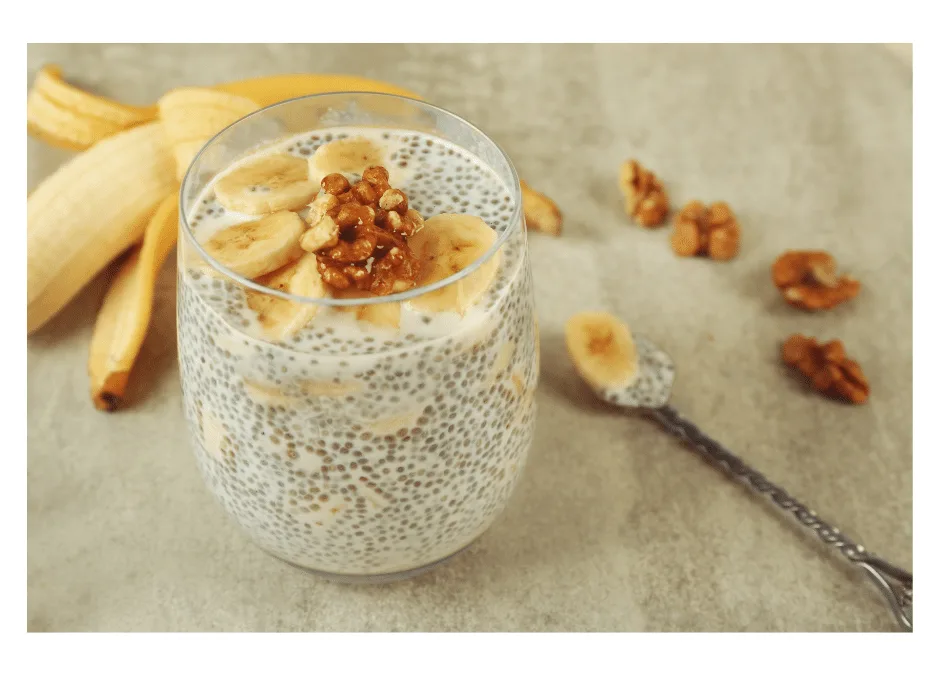
  • Recipe Idea: One version that is not only tasty but healthy is to blend bananas and water to create a smooth and creamy “banana milk”. Grind up chia seeds (coffee bean grinder works well) and stir the ground up chia seeds into the “banana milk” well. Place the pudding mixture into the refrigerator for at least 6 hours or overnight to allow it to thicken. 
  • Add-ins: Top with fresh fruits or a sprinkle of cinnamon for extra flavor. 


Smoothies: 
Adding chia seeds to your smoothies is an excellent way to boost the nutritional profile of your drink. Simply add a few tablespoons of ground chia seeds to your favorite smoothie recipe. The chia seeds will help thicken the smoothie and provide an extra dose of fiber, omega-3s, and protein. 

  • Tip: If you want your smoothie to be extra creamy, let the chia seeds soak in the smoothie for a few minutes before blending. This allows the seeds to expand and create a smoother texture. 


Baking:
Simply replace some of the flour with ground chia seeds for added fiber and omega-3s. You can also add ground chia seeds to energy bites.

  • Chia Egg: You can also make a “chia egg” by mixing 1 tablespoon of ground chia seeds with 3 tablespoons of water. Let it sit for a few minutes to form a gel-like consistency, then use it as an egg substitute in baking. 


Oatmeal Toppings:
Sprinkle ground chia seeds over your oatmeal, or cereal to give your breakfast a nutritional boost. You’ll add extra fiber, protein, and omega-3s to start your day off right. 

  • Flavor Idea: Mix chia seeds with fruit for an extra layer of flavor. 

Salads and Dressings: 
Ground chia seeds can be sprinkled on top of salads or incorporated into salad dressings. They pair beautifully with balsamic vinegar or lemon-based dressings, adding a nice crunch while also delivering health benefits. 

Chia Seed Jam:
Make a healthy, no-cook jam by mixing mashed fruit with ground chia seeds. The chia seeds will naturally thicken the fruit mixture, giving you a sweet and nutritious spread without refined sugars or preservatives. 

  • Recipe Idea: Mash up strawberries or blueberries, mix with 2 tablespoons of ground chia seeds, and let sit for 15 minutes. The chia will gel the mixture into a jam-like consistency.


Soups and Stews:
Add ground chia seeds to soups and stews for extra thickness and nutrition. They can absorb liquid and expand, helping to thicken broths while boosting the fiber and omega-3 content.


Chia Sorbet:
Make a refreshing and healthy frozen dessert. Chia seeds will help thicken the sorbet as well as provide added nutrition. 

  • Blend frozen fruit (like berries or mango) with a little water and chia seeds. Let it sit for a few minutes to thicken and enjoy a fresh, refreshing sorbet.

Chia-Infused Water:
For a refreshing, hydrating drink, add 1–2 tablespoons of ground chia seeds to a glass of water. Let it sit for 10–15 minutes until the seeds form a gel-like consistency. This provides a natural energy boost and helps keep you hydrated throughout the day.


Remember, to get the full nutritional benefits of chia seeds, it’s important to grind them just before use. This simple step helps maximize their potential and allows you to receive more of the vital nutrients they offer. Whether you choose to add them to smoothies or salads or make chia pudding or jam, chia seeds are a quick, easy, and highly nutritious addition to your daily diet.


Wrap Up

As we wrap up our exploration of this incredible tiny superfood, it’s clear that chia seeds are anything but ordinary. Packed with a wealth of nutrients and health benefits, they have the power to transform your diet and elevate your well-being in ways you may never have imagined.

Imagine harnessing the incredible power of omega-3 fatty acids, which are essential for heart health and brain function, while also acting as potent anti-inflammatory agents. Just a small serving of chia seeds provides a generous dose of these beneficial fats, helping to reduce inflammation and support cardiovascular wellness. 

But that’s not all! Chia seeds are also a fiber superstar, boasting an impressive amount that can transform your digestive health. This soluble fiber absorbs water and expands in your stomach, keeping you feeling full and satisfied while promoting regularity. Say goodbye to those pesky cravings and hello to a happier gut! 

And let’s not forget the protein! Chia seeds deliver a plant-based protein punch, making them an excellent choice for vegetarians and anyone looking to boost their protein intake without the extra calories. With every spoonful, you’re fueling your body with the building blocks it needs for energy and muscle repair. 

From their rich supply of antioxidants that combat oxidative stress to their high fiber content that keeps you feeling full and satisfied, these superfoods are like nature’s little gifts for your health. They’re also packed with high-quality protein supporting muscle growth and repair, along with omega-3 fatty acids that boost brain function, heart health, and reduce inflammation. 

These tiny powerhouses prove that sometimes the most powerful solutions come in the smallest packages, offering a complete nutritional profile that can potentially transform your well-being with just a small serving. So why wait? Dive into the world of chia seeds and unleash their incredible potential in your diet! Sprinkle them on your salads, put them in your smoothies or create delicious chia puddings—your taste buds and your body will thank you. Embrace this tiny superfood and embark on a journey toward vibrant health! The amazing benefits of chia seeds are just a scoop away—are you ready to experience the magic?

The Acupuncture and Wellness Clinic logo

Swallow Your Fears and Take a Bite Out of Dysphagia: Regain Strength and Function and Reclaim a Seat at the Table.

Swallow Your Fears and Take a Bite Out of Dysphagia: Regain Strength and Function and Reclaim a Seat at the Table.

Swallowing – it’s something many of us take for granted. But for those experiencing dysphagia, this simple act can become challenging. If you or a loved one are facing challenges with swallowing, you’re not alone. Many people have successfully persevered through this journey, experiencing remarkable improvements in their natural ability to swallow. With the right support and effective strategies, there is significant potential for enhancing swallowing function.


Picture regaining the joy of sharing meals with friends and family, savoring your favorite foods without fear, and reclaiming your quality of life. This blog may help you better understand dysphagia and explore paths to recovery that you may not have considered before.


We’ll dive into a therapy that may offer various benefits to potentially help improve dysphagia – acupuncture. But that’s not all – we’ll also uncover complementary strategies that, when combined with acupuncture, may potentially accelerate your journey to better swallowing function.


Whether you or a loved one have been living with dysphagia for some time or are just beginning to experience it, this blog may offer valuable insights for your journey. Together, we’ll explore what dysphagia is, some potential causes and symptoms, and how acupuncture and additional strategies may potentially help improve dysphagia. With the right treatments and perseverance you can look forward to reclaiming your place at the table and savor the joy of shared meals. Ready to swallow your fears and drink in the knowledge? Let’s go!


Understanding Dysphagia

Dysphagia is a complex medical condition characterized by difficulty swallowing, which can significantly impact an individual’s ability to consume food and liquids safely and effectively. To understand dysphagia at a deeper level, it’s essential to examine the anatomy and physiology of the swallowing process, the coordination of muscle movements involved, and the neural control mechanisms that govern these actions.


Swallowing is a highly coordinated action that involves the interplay of multiple structures and systems within the body. The process consists of three main phases:


Phase 1: Oral Phase:
The process begins in the oral cavity, where food is chewed and mixed with saliva to form a bolus. This phase relies on the functional integrity of the tongue, teeth, and other oral structures. The tongue plays a critical role in manipulating the bolus and pushing it toward the back of the mouth, triggering the swallowing reflex.

Phase 2: Pharyngeal Phase:
Once the swallowing reflex is triggered, the bolus moves into the pharynx. At this stage, several critical actions occur: the soft palate elevates to close off the nasal passages, and the epiglottis folds down to cover the airway, preventing aspiration. The muscles of the pharynx contract to propel the bolus down toward the esophagus.

Phase 3: Esophageal Phase:
The bolus enters the esophagus through the upper esophageal sphincter. The esophagus is a muscular tube that connects the throat to the stomach and is lined with smooth muscle. Once in the esophagus, peristaltic waves—a series of coordinated muscular contractions—transport the bolus down to the stomach. This phase requires effective coordination of the circular and longitudinal muscles within the esophageal wall to ensure the bolus moves efficiently toward its destination.


Dysphagia can occur due to a breakdown in any of these phases, resulting in an inability to swallow safely or effectively. For example, neurological conditions such as stroke or Parkinson’s disease can disrupt the central nervous system’s control over the swallowing muscles, leading to decreased muscle strength and coordination. Structural abnormalities, such as tumors or strictures, can obstruct the pathway, making it difficult for food to pass through the esophagus.


In essence, dysphagia is not merely a swallowing difficulty; it reflects a multifactorial dysfunction within the complex swallowing mechanism. Understanding the intricate dynamics of swallowing, including the anatomical structures, neural pathways, and muscular coordination involved, provides a clearer insight into the challenges faced by individuals with dysphagia. This knowledge is vital for recognizing the condition’s potential implications on nutrition, hydration, and overall health, emphasizing the importance of early diagnosis and intervention.


Potential Causes of Dysphagia

Dysphagia, or difficulty swallowing, is a complex condition that can arise from a variety of causes, impacting the ability to move food or liquid from the mouth to the stomach. Causes may vary for each individual. Some potential causes of dysphagia may include:

Stroke:
A stroke can damage the areas of the brain that control the muscles involved in swallowing. This type of dysphagia is known as neurogenic dysphagia. When the brain’s ability to send signals to the throat, mouth, or esophageal muscles is impaired, it can cause difficulty in coordinating the complex actions required to swallow, leading to issues like delayed reflexes, aspiration, or choking.

Neurological Diseases:
Diseases like Parkinson’s disease, amyotrophic lateral sclerosis (ALS), and multiple sclerosis (MS) can gradually weaken or paralyze the muscles responsible for swallowing. These neurodegenerative conditions often interfere with both the voluntary and involuntary phases of swallowing, leading to issues like aspiration, drooling, and food getting stuck in the throat. As these diseases progress, dysphagia can become more pronounced and difficult to manage.

Esophageal Stricture:
An esophageal stricture is a narrowing of the esophagus, typically caused by chronic inflammation or scarring. Conditions like gastroesophageal reflux disease (GERD) can cause stomach acid to repeatedly damage the esophagus, leading to a buildup of scar tissue that narrows the passageway. This narrowing makes it difficult for food to pass through, leading to a sensation of food sticking or causing pain when swallowing.

Gastroesophageal Reflux Disease (GERD):
GERD is a condition where stomach acid flows back into the esophagus, irritating its lining. Over time, the constant exposure to stomach acid can cause inflammation (esophagitis) and scarring, which may lead to dysphagia. In addition, GERD can cause weakening of the lower esophageal sphincter, allowing acid and food to regurgitate, making swallowing more difficult.

Achalasia:
Achalasia is a rare disorder in which the esophagus loses its ability to move food toward the stomach, and the lower esophageal sphincter fails to relax properly. As a result, food becomes trapped in the esophagus, causing regurgitation, chest pain, and difficulty swallowing both solids and liquids. The exact cause of achalasia is often unknown but is thought to be related to nerve degeneration.

Head or Neck Cancer:
Tumors in the head or neck can physically obstruct the throat or esophagus, making swallowing difficult or painful. In addition to the tumor itself, treatments like radiation therapy can cause scarring or damage to the tissues in the neck and throat, leading to long-term dysphagia. Surgery to remove cancer can also disrupt the muscles and nerves responsible for swallowing.

Radiation Therapy:
Radiation therapy, particularly to the head, neck, or chest, can damage the tissues of the throat and esophagus. The high-energy rays used in treatment can cause fibrosis, or thickening and scarring of the tissues, which may restrict the esophagus and impair its function. Radiation-induced dysphagia may not only occur during treatment but can also develop months or years later as scar tissue forms.

Esophageal Cancer:
Esophageal cancer can cause progressive dysphagia as the tumor grows and obstructs the esophageal lumen. Early symptoms often include difficulty swallowing solid foods, but as the disease advances, even liquids can become difficult to swallow. Treatment for esophageal cancer, such as surgery or chemotherapy, may further complicate swallowing by causing damage or narrowing of the esophagus.

Scleroderma:
Scleroderma is a rare autoimmune disease that causes hardening and tightening of the skin and connective tissues. When scleroderma affects the esophagus, it can lead to fibrosis, which restricts the movement of food through the esophagus. The lower esophageal sphincter may also weaken, leading to acid reflux and further damage to the esophagus, contributing to dysphagia.

Zenker’s Diverticulum:
Zenker’s diverticulum is a condition in which a pouch forms at the junction of the throat and esophagus. Food can collect in this pouch, leading to difficulty swallowing, regurgitation of undigested food, and a sensation of food sticking in the throat. This diverticulum can also cause bad breath and increase the risk of aspiration and infections.

Eosinophilic Esophagitis:
Eosinophilic esophagitis is an allergic inflammatory condition where white blood cells (eosinophils) accumulate in the esophagus in response to allergens or acid reflux. This buildup causes the esophagus to become inflamed, thickened, and narrowed, leading to dysphagia, especially with solid foods. Over time, untreated eosinophilic esophagitis can cause strictures or food impaction.

Foreign Objects:
Swallowing foreign objects, such as bones or large pieces of food, can cause sudden obstruction of the esophagus. This type of dysphagia often presents with immediate symptoms of pain and the sensation of something being stuck. In children, small toys or coins may also be accidentally swallowed, leading to similar issues.

Myasthenia Gravis:
Myasthenia gravis is an autoimmune disorder that affects the transmission of nerve signals to muscles, causing muscle weakness. When the muscles involved in swallowing are affected, individuals may experience difficulty chewing, moving food to the back of the mouth, or safely swallowing. This condition can lead to aspiration and requires careful management to prevent complications.

Cervical Spine Disorders:
Disorders affecting the cervical spine, such as cervical osteophytes (bone spurs), can impinge on the esophagus, leading to mechanical obstruction. Conditions like degenerative disc disease or previous spinal surgeries can also impact the nerves and muscles involved in swallowing, causing dysphagia.

Multiple Sclerosis:
Multiple sclerosis (MS) is a neurological condition that disrupts the communication between the brain and the muscles. Dysphagia is common in MS patients, particularly as the disease progresses and affects the areas of the brainstem that control swallowing. Difficulty in coordinating the muscles of the mouth, throat, and esophagus can lead to choking and aspiration.

Muscular Dystrophy:
Muscular dystrophy is a group of genetic diseases that cause progressive muscle weakness and degeneration. When the muscles involved in swallowing are affected, dysphagia can result. The esophageal muscles may lose strength, leading to problems with peristalsis and the ability to move food efficiently from the throat to the stomach.

Laryngopharyngeal Reflux (LPR):
LPR occurs when stomach acid travels up the esophagus and into the throat and larynx. This acid exposure can cause inflammation and damage to the throat and vocal cords, leading to symptoms like a chronic cough, hoarseness, and difficulty swallowing. Unlike GERD, LPR may not always cause heartburn, making it harder to diagnose.

Thyroid Enlargement (Goiter):
An enlarged thyroid gland, or goiter, can compress the esophagus and cause mechanical dysphagia. This pressure may make it difficult to swallow solids and, in more severe cases, liquids. Thyroid nodules or thyroid cancer can also contribute to swallowing difficulties by pressing against the esophagus.

Sjogren’s Syndrome:
Sjogren’s syndrome is an autoimmune disorder that affects the body’s moisture-producing glands, including those in the mouth. Reduced saliva production can lead to dry mouth, making it difficult to form a food bolus and swallow comfortably. This dryness can also increase the risk of choking or aspiration, especially with dry or sticky foods.

Infections (e.g., Candida, Herpes):
Certain infections, such as Candida (thrush) or herpes, can cause inflammation and ulcers in the esophagus. These infections are more common in individuals with weakened immune systems, such as those undergoing chemotherapy or living with HIV/AIDS. Esophageal infections can cause significant pain when swallowing and may result in difficulty swallowing both solids and liquids.


Dysphagia can arise from a wide range of conditions, affecting individuals differently depending on the underlying cause. Causes may vary for each individual. By understanding some of the potential causes of dysphagia, you can take steps toward seeking treatment, potentially improving swallowing function, and enhancing overall well-being. If you experience difficulty swallowing, consulting with a healthcare professional is essential to diagnosing and addressing the cause.


Potential Symptoms of Dysphagia

Dysphagia, or difficulty swallowing, can manifest in various ways depending on its underlying cause. The symptoms can range from mild discomfort to serious complications affecting nutrition and quality of life. Below is an in-depth look at some of the most common symptoms of dysphagia, providing a medical explanation of each to help you better understand how this condition can impact the body.

Sensation of Food Sticking in the Throat or Chest:
This symptom often arises when food or liquids have difficulty passing through the esophagus. It may be caused by physical obstructions, such as esophageal strictures, or issues with the muscular contractions that push food toward the stomach. When the muscles or nerves responsible for peristalsis malfunction, the food may remain lodged, causing discomfort and even chest pain.

Choking or Coughing While Eating:
Choking or coughing while eating is typically a result of food or liquid entering the airway instead of passing into the esophagus. This may indicate an issue with the protective reflexes of the swallowing mechanism, which are designed to close off the airway while swallowing. Aspiration of food can occur if the epiglottis fails to close properly, leading to choking or respiratory infections.

Pain When Swallowing (Odynophagia):
Painful swallowing is referred to as odynophagia and can be caused by inflammation, injury, or infection in the esophagus. Conditions like esophagitis, ulcers, or certain types of cancers may damage the esophageal lining, resulting in sharp pain when food passes through the affected area. This pain can range from mild to severe and may persist even after swallowing.

Regurgitation of Food:
Regurgitation refers to the backflow of undigested food from the esophagus into the mouth. This symptom can result from gastroesophageal reflux disease (GERD) or structural abnormalities such as an esophageal diverticulum. The lower esophageal sphincter may fail to function properly, allowing stomach contents to move upward, which can lead to discomfort, aspiration, or a sour taste in the mouth.

Sensation of a Lump in the Throat (Globus Sensation):
A persistent feeling of a lump in the throat, or globus sensation, is common in people with dysphagia. While it may not always be associated with actual difficulty swallowing, it is often linked to stress, GERD, or other functional issues in the esophagus. It may also occur due to tension in the throat muscles, leading to the false perception of an obstruction.

Unintentional Weight Loss:
Weight loss can result when dysphagia makes eating uncomfortable or painful, leading individuals to eat less or avoid food altogether. The inability to consume sufficient calories and nutrients can lead to malnutrition. Prolonged difficulty swallowing can severely affect body weight, impacting muscle mass and overall health.

Hoarseness or Voice Changes:
Chronic dysphagia may affect the vocal cords, leading to hoarseness or changes in voice quality. This may occur when acid reflux or food particles repeatedly irritate the larynx or vocal cords. Conditions such as laryngopharyngeal reflux (LPR) can lead to inflammation of these structures, altering the ability to speak clearly.

Frequent Heartburn:
Heartburn is a burning sensation in the chest caused by acid reflux, where stomach acid flows back into the esophagus. This can damage the esophageal lining, leading to irritation and discomfort when swallowing. In some cases, heartburn may also be a sign of GERD, which often coexists with dysphagia.

Difficulty Controlling Food or Saliva in the Mouth:
Difficulty in managing food or saliva in the mouth may indicate issues with the oral phase of swallowing, often linked to neurological disorders such as stroke or Parkinson’s disease. These conditions can impair the muscles responsible for moving food from the mouth into the throat, causing drooling or spillage of food during meals.

Drooling:
Drooling can occur when individuals are unable to control saliva, either because of weakened facial muscles or difficulty swallowing. It may be associated with neurological conditions, muscular dystrophy, or structural problems within the mouth and throat. In severe cases, drooling can lead to social embarrassment and skin irritation around the mouth.

Frequent Coughing or Throat Clearing:
Chronic coughing or the need to clear the throat may indicate that food or liquid is entering the airway, triggering a protective response. Aspiration, where food passes into the lungs instead of the esophagus, can lead to this symptom and increases the risk of respiratory infections, such as pneumonia.

Aspiration Pneumonia:
Aspiration pneumonia is a serious complication of dysphagia, occurring when food, liquid, or saliva is inhaled into the lungs, leading to infection. Individuals with dysphagia are at a higher risk of developing this condition, particularly if their swallowing mechanism is weakened or compromised by neurological issues.

Gagging While Swallowing:
Gagging may occur when there is difficulty coordinating the muscles involved in swallowing, particularly if the bolus of food is too large or improperly positioned in the mouth. This reflexive action serves as the body’s way of preventing choking, but frequent gagging may signal a more significant problem with the swallowing process.

Delayed Swallowing Reflex:
A delayed swallowing reflex is often seen in individuals with neurological conditions or after a stroke. This delay can cause food or liquid to remain in the throat longer than usual, increasing the risk of aspiration. The timing of muscle contractions is critical for safe swallowing, and disruptions to this process can lead to repeated episodes of choking.

Nasal Regurgitation:
Nasal regurgitation occurs when food or liquid enters the nasal cavity during swallowing. This can happen if the soft palate fails to close off the nasopharynx properly. Conditions such as cleft palate or neuromuscular disorders may contribute to this symptom, which can cause discomfort and embarrassment during meals.

Frequent Throat Infections:
Frequent infections of the throat, including pharyngitis, may be related to dysphagia when food or saliva irritates the tissues or when aspiration occurs regularly. Chronic inflammation in the throat can result in repeated infections, which further complicate the swallowing process and exacerbate symptoms.

Fatigue During Eating:
Fatigue while eating is a common symptom in individuals with dysphagia, particularly when they must exert extra effort to chew and swallow. Neuromuscular conditions like myasthenia gravis can cause muscle weakness, making the act of eating tiring and time-consuming, ultimately leading to reduced food intake.

Shortness of Breath While Eating:
Shortness of breath during meals may indicate aspiration or the co-occurrence of dysphagia and respiratory conditions. If food or liquid enters the airway, the body may struggle to maintain proper airflow, leading to labored breathing. This can be especially dangerous in people with compromised lung function.

Dehydration:
Dehydration can occur when individuals with dysphagia avoid drinking fluids due to discomfort or fear of choking. Over time, insufficient fluid intake may lead to serious health problems, such as kidney dysfunction or electrolyte imbalances. Addressing dysphagia early is crucial for preventing dehydration and maintaining overall health.

Malnutrition:
Malnutrition is a severe complication of dysphagia that results when individuals are unable to eat or drink enough to meet their nutritional needs. This can lead to muscle wasting, weakened immunity, and a host of other health issues. Chronic dysphagia, particularly in older adults or those with underlying conditions, can drastically impact quality of life.


Symptoms of dysphagia may vary in severity and may affect individuals differently depending on the underlying cause. Recognizing the symptoms of dysphagia is important for early intervention and treatment. Whether due to neurological, muscular, or structural issues, dysphagia can lead to significant health complications if left untreated. If you experience any of these symptoms, consult a healthcare professional for proper diagnosis.


Potential Benefits of Acupuncture for Dysphagia

Acupuncture may offer potential benefits for individuals experiencing dysphagia, though results may vary for each individual. By stimulating specific areas on the body, acupuncture may promote natural healing processes and potentially help improve symptoms of dysphagia. Some potential benefits of acupuncture for dysphagia may include:

Enhancing Neural Connectivity:
Acupuncture has been shown to stimulate areas of the brain involved in motor control and sensory processing. For individuals with dysphagia due to neurological disorders or stroke, acupuncture may potentially help enhance the neural pathways that regulate the muscles involved in swallowing. By increasing neuroplasticity, the brain may retrain these muscles to perform more efficiently, potentially improving swallowing function.

Improving Muscle Coordination:
Dysphagia often results from poor coordination between the muscles of the mouth, throat, and esophagus. Acupuncture may potentially help regulate the communication between these muscles by affecting the motor control centers in the central nervous system. This improved coordination may make it easier to swallow and reduce the risk of choking or aspiration, particularly for those with neurogenic dysphagia.

Reducing Inflammation in the Esophagus:
In conditions such as gastroesophageal reflux disease (GERD) or eosinophilic esophagitis, inflammation can cause the esophagus to narrow or become stiff, making it difficult to swallow. Acupuncture may promote an anti-inflammatory response in the body, potentially reducing inflammation in the esophagus and surrounding tissues. This reduction in inflammation may relieve symptoms like discomfort and difficulty swallowing.

Promoting Relaxation of the Esophageal Muscles:
Achalasia and other motility disorders are often characterized by a failure of the lower esophageal sphincter to relax properly, which prevents food from entering the stomach. Acupuncture may help modulate the autonomic nervous system, potentially leading to better regulation of the esophageal muscles. This may allow the lower esophageal sphincter to relax and promote smoother passage of food, potentially improving the swallowing process.

Alleviating GERD Symptoms:
For those with dysphagia caused by GERD, treating reflux is crucial to alleviating swallowing difficulties. Acupuncture may potentially improve lower esophageal sphincter function, which may potentially help to prevent acid reflux from occurring. By reducing the frequency and severity of reflux episodes, acupuncture may help prevent further damage to the esophagus and potentially make swallowing more comfortable.

Increasing Blood Flow to the Affected Areas:
One of the ways acupuncture may potentially support healing in dysphagia is by promoting increased blood flow to the muscles and tissues involved in swallowing. Improved circulation may enhance oxygen and nutrient delivery to the affected areas, potentially helping to repair damaged tissues and muscles. This effect may be particularly beneficial for individuals recovering from stroke or injury that has impaired swallowing.

Reducing Pain and Discomfort:
Dysphagia is often accompanied by pain, whether due to esophageal irritation, muscle strain, or damage to the throat. Acupuncture may help release endogenous pain-relieving chemicals, such as endorphins and enkephalins, in the body. By reducing the perception of pain, individuals may experience greater comfort while eating and swallowing, potentially leading to improved nutrition and quality of life.

Regulating Saliva Production:
Dry mouth, or xerostomia, can make it difficult to swallow by preventing proper formation of a food bolus and lubrication of the esophagus. Acupuncture may help stimulate the salivary glands, potentially increasing saliva production and improving the ease of swallowing. This benefit can be particularly helpful for individuals with dysphagia caused by Sjogren’s syndrome or as a side effect of certain medications.

Supporting Nerve Regeneration:
After a stroke or nerve damage, it is critical for the nervous system to regenerate in order to restore normal swallowing function. Acupuncture may potentially stimulate peripheral nerves and encourage nerve regeneration in areas affected by injury or disease. This process may help improve swallowing reflexes and sensitivity, potentially enhancing the overall efficiency of swallowing.

Improving Immune Function:
In cases of dysphagia caused by infections, such as esophageal candidiasis or herpes, the immune system plays a vital role in recovery. Acupuncture may support the body’s immune response, potentially helping to fight off infections more effectively. By improving immune function, acupuncture may potentially aid in faster recovery from infections that cause esophageal inflammation and difficulty swallowing.

Relieving Anxiety and Stress:
Dysphagia can be a distressing condition, often leading to anxiety about eating or fear of choking. Acupuncture may help regulate the body’s stress response by influencing the hypothalamus-pituitary-adrenal (HPA) axis, potentially helping to reduce the levels of stress hormones such as cortisol. By promoting a sense of relaxation and calm, acupuncture may potentially help alleviate the psychological burden of dysphagia and make eating a less stressful experience.

Enhancing Esophageal Peristalsis:
The rhythmic contractions of the esophagus, known as peristalsis, are essential for moving food from the mouth to the stomach. In some cases of dysphagia, particularly those involving motility disorders, peristalsis becomes weak or uncoordinated. Acupuncture may help stimulate the nervous system and improve the strength and coordination of esophageal peristalsis, potentially leading to more efficient swallowing and reduced food stasis in the esophagus.

Reducing Scarring and Fibrosis:
After surgeries or radiation treatments, scar tissue may form in the throat or esophagus, potentially leading to strictures that make swallowing difficult. Acupuncture may potentially promote tissue repair and reduce fibrosis by stimulating healing processes in the body. This effect may help prevent or reduce the development of scar tissue, potentially allowing for a smoother passage of food and fewer swallowing difficulties.

Addressing Muscle Spasms:
Some individuals with dysphagia experience spasms in the muscles of the esophagus, causing painful and sudden difficulty in swallowing. Acupuncture may potentially help reduce the frequency and intensity of these muscle spasms by modulating the nervous system and improving muscle relaxation. This benefit can be particularly helpful for conditions like diffuse esophageal spasm or nutcracker esophagus.

Supporting Long-Term Swallowing Rehabilitation:
For individuals undergoing rehabilitation for dysphagia after stroke, surgery, or injury, acupuncture may serve as a supportive therapy alongside rehabilitation exercises. By improving muscle strength, coordination, and neural function, acupuncture may potentially accelerate the recovery process and support long-term improvements in swallowing. This benefit is especially pertinent for those requiring extended physical therapy to regain full swallowing function.


Acupuncture may offer a variety of potential benefits for individuals with dysphagia. Benefits may vary for each individual. Consult a healthcare professional before beginning any treatment to ensure it is safe and suitable for you and your condition.


Additional Strategies to Potentially Help Improve Dysphagia

Alongside acupuncture, various strategies and lifestyle changes may potentially help to improve dysphagia. Some potential strategies may include:

Speech and Swallowing Therapy:
Speech and swallowing therapy, provided by a licensed speech-language pathologist, can be an effective treatment for individuals with dysphagia. These therapies aim to strengthen the muscles involved in swallowing, improve muscle coordination, and teach techniques for safer swallowing. Therapy is personalized to address specific swallowing challenges, helping individuals develop the skills needed to swallow more effectively and with less risk.

Including Healthy Fats in the Diet:
Healthy fats from sources such as pure, cold-pressed flaxseed oil that has been pre-refrigerated and avocados can lubricate the esophagus and potentially help make swallowing smoother. These fats also contribute to reducing inflammation in the digestive tract, which may potentially help alleviate some of the irritation associated with dysphagia. Omega-3 fatty acids found in flaxseed oil, in particular, are known for their anti-inflammatory properties, which can further support esophageal health. Including these healthy fats in the diet not only potentially enhances swallowing comfort but also provides essential nutrients for overall health.

Thickening Liquids:
Thickening liquids is a well-recognized strategy for managing dysphagia. Thin liquids, like water, can pass too quickly through the throat, increasing the risk of aspiration into the airway. Thickened liquids move more slowly, allowing better control when swallowing. For people with dysphagia, natural thickening agents can be added to drinks, providing the liquid with a consistency that’s easier and safer to swallow. The thickened liquid reduces the likelihood of food or drink entering the lungs, helping prevent aspiration pneumonia. Consult a healthcare professional before incorporating thickening agents, as they can recommend the appropriate type and consistency based on individual needs and the severity of dysphagia. They will also ensure the thickener complements any ongoing medical treatments and monitor its effectiveness over time to ensure safe swallowing and proper hydration.Consult a healthcare professional before incorporating thickening agents, as they can recommend the appropriate type and consistency of thickening agents based on individual needs and the severity of dysphagia. They will also ensure the thickener complements any ongoing treatments and monitor its effectiveness over time to ensure safe swallowing and proper hydration.

Eating Small, Frequent Meals:
Instead of consuming large meals, individuals with dysphagia may benefit from eating smaller, more frequent meals throughout the day. Large meals can put stress on the esophagus, overwhelming its ability to move food effectively toward the stomach. Smaller portions are more manageable and reduce the likelihood of food becoming stuck. Additionally, eating frequently ensures a steady supply of energy without the discomfort of struggling to swallow larger quantities of food. Consult with a healthcare provider and a qualified dietitian to determine the most suitable meal plan for those experiencing dysphagia, ensuring that smaller, frequent meals meet nutritional needs while minimizing the risk of complications associated with dysphagia.

Modifying Food Texture:
Adjusting food texture is important for treating dysphagia. Soft, pureed, or moist foods are easier to swallow than hard or dry foods, which require more effort and pose a higher risk of choking. Food modifications allow for safe and more comfortable swallowing, ensuring that the individual receives adequate nutrition. Foods like mashed vegetables, applesauce, and oatmeal offer a softer consistency that moves more smoothly through the throat and esophagus. Consult with a healthcare provider and a qualified dietitian to determine the most suitable meal plan for those experiencing dysphagia, ensuring that smaller, frequent meals meet nutritional needs while minimizing the risk of complications associated with dysphagia.

Practicing Swallowing Exercises:
Swallowing exercises, typically guided by a speech-language pathologist, can help strengthen the muscles involved in swallowing. Exercises such as the Shaker technique or the Mendelsohn maneuver target specific areas of the throat and neck to improve muscle coordination. These exercises may enhance the individual’s ability to move food and liquids through the esophagus more efficiently, potentially reducing the risk of aspiration and improving swallowing safety over time. Be sure to work with a qualified speech-language pathologist to ensure the exercises are performed correctly and are safe and suitable for you and your condition, maximizing their effectiveness and reducing the risk of further complications.

Adopting the Chin-Tuck Posture:
The chin-tuck posture is a common strategy recommended for individuals with dysphagia to improve swallowing safety. By tucking the chin downward toward the chest during swallowing, the airway is more effectively protected, directing food or liquid down the esophagus. This posture change can be especially useful for those who experience aspiration, helping prevent food from entering the lungs. It provides a simple yet effective adjustment to the swallowing mechanism. Consult with a healthcare provider and a qualified speech-language pathologist to ensure the exercises are performed correctly and are safe and suitable for you and your condition, maximizing their effectiveness and reducing the risk of further complications.

Vocal Cord Exercises:
Vocal cord exercises, such as singing or humming, may significantly benefit swallowing function. These activities can help strengthen the vocal cords, which are closely linked to the coordination of swallowing muscles. By enhancing the strength and responsiveness of the vocal cords, individuals may potentially experience an improved swallow response. Consult a healthcare professional and a speech-language pathologist before beginning any new exercises to ensure they are safe and suitable for you and your condition.

Managing Reflux Through Dietary Adjustments:
For people with dysphagia related to gastroesophageal reflux disease (GERD), dietary adjustments are crucial. Acidic, fatty, and spicy foods may worsen reflux, further irritating the esophagus and complicating the swallowing process. Avoiding these trigger foods and adopting a reflux-friendly diet may reduce inflammation in the esophagus, potentially making it easier to swallow. Eating smaller meals, staying upright after eating, and avoiding late-night meals may also aid in reducing reflux symptoms. Consult with a healthcare provider and a qualified dietitian to develop a personalized reflux-friendly plan to help reduce GERD symptoms while also supporting safe swallowing and overall nutritional health.

Maintaining Proper Hydration with Caution:
Staying hydrated is essential, but individuals with dysphagia must be cautious about how they consume liquids. Thin liquids pose a high aspiration risk. Instead, thickened liquids or sip-controlled drinking methods are often recommended to ensure hydration without compromising swallowing safety. Dehydration can make dysphagia worse by decreasing saliva production, leading to a dry throat and impaired swallowing reflexes. Therefore, balancing hydration with safe swallowing strategies is key. Consult with a healthcare professional to determine the safest methods for you to stay hydrated, whether through thickened liquids or sip-controlled techniques, to maintain proper hydration without increasing the risk of aspiration or worsening dysphagia.

Incorporating Stress Management Techniques:
Stress and anxiety can exacerbate dysphagia, particularly in cases where the condition has a psychogenic component. Practicing stress-reduction techniques such as deep breathing exercises, progressive muscle relaxation, and meditation may help individuals feel more in control of their swallowing. By calming the nervous system, these techniques can reduce muscle tension in the throat and chest, potentially making the act of swallowing more relaxed and effective.

Avoiding Alcohol and Caffeine:
Alcohol and caffeine can both exacerbate dysphagia by causing dehydration and irritating the esophagus. Additionally, alcohol impairs muscle coordination, which is essential for safe swallowing. For individuals with dysphagia, limiting or eliminating alcohol and caffeinated beverages from their diet can help maintain better esophageal function and reduce the risk of reflux, dehydration, and swallowing difficulties.

Elevating the Head During and After Meals:
Elevating the head while eating and for a period afterward may aid individuals with dysphagia by utilizing gravity to assist with the swallowing process. Keeping the head and upper body elevated can help prevent food or liquid from regurgitating into the throat and lowers the risk of aspiration. For those with GERD or esophageal motility disorders, eating in an upright position and avoiding lying down immediately after meals is beneficial.

Chewing Thoroughly:
Chewing food thoroughly before swallowing helps break it down into smaller, more manageable pieces, making it easier to pass through the esophagus. For people with dysphagia, this process is even more critical, as larger food particles increase the risk of choking or becoming stuck in the throat. Additionally, thorough chewing stimulates saliva production, which lubricates the food and assists in moving it down the esophagus.

Avoiding Foods That Irritate the Esophagus:
Certain foods can irritate the esophagus, exacerbating dysphagia. Spicy, acidic, or rough-textured foods may inflame the esophageal lining, making it more difficult to swallow. For individuals with this condition, avoiding such irritants and sticking to a diet of gentle, easy-to-swallow foods can help minimize irritation and allow the esophagus to heal. Foods like mashed fruits, soft grains, and tender vegetables are more suitable. Consult with a healthcare professional and a qualified dietitian to create a personalized diet plan that avoids irritating foods while ensuring safe swallowing and proper nutrition, helping to minimize esophageal irritation and support the healing process for improved swallowing.

Maintaining Good Oral Hygiene:
Good oral hygiene plays an essential role in preventing infections that could complicate dysphagia. Poor oral hygiene increases the risk of aspirating bacteria from the mouth into the lungs, potentially leading to pneumonia. By brushing teeth after meals and maintaining clean oral tissues, individuals can reduce bacterial buildup and potentially minimize the risk of respiratory complications linked to swallowing difficulties. Consult a healthcare professional and a dentist to develop an effective oral hygiene routine that is safe and suitable for you and your condition, ensuring cleanliness while reducing the risk of bacterial aspiration and preventing infections like pneumonia, which could further complicate dysphagia.

Using a Humidifier:
For individuals with dysphagia due to dry mouth or throat, using a humidifier can help maintain moisture levels in the environment, preventing dryness that could complicate swallowing. A dry throat can reduce the effectiveness of the swallowing mechanism, potentially making it more likely for food to become stuck. Adding moisture to the air may help keep the throat lubricated, potentially improving swallowing comfort and reducing irritation.

Managing Body Weight:
Excess body weight can place pressure on the stomach and esophagus, worsening reflux and contributing to dysphagia. At the same time, underweight individuals may lack the muscle strength needed to swallow effectively. Maintaining a healthy weight through balanced nutrition helps optimize esophageal function and supports the muscles involved in swallowing. Proper weight management may help reduce strain on the esophagus and make swallowing easier. Consult a healthcare professional and a qualified dietitian to develop a weight management plan that is safe and suitable for you and your condition and beneficial for dysphagia, ensuring you achieve and maintain a healthy weight to reduce strain on the esophagus and improve swallowing function, while also supporting muscle strength and providing the necessary nutrients for overall health and safe swallowing.

Finding the Optimal Posture During Meals:
The way an individual sits or positions their body during meals can significantly affect their ability to swallow. Finding an optimal eating posture, often guided by a speech therapist, can help facilitate safer and more effective swallowing. For some individuals, tilting the head forward slightly or sitting upright with good back support can improve the passage of food through the throat. Consult a healthcare professional and a speech-language pathologist to determine the optimal eating posture that is safe and beneficial for you and your condition, ensuring that your body position supports effective swallowing and reduces the risk of aspiration or other complications during meals.

Avoiding Late-Night Eating:
Late-night eating, especially when followed by lying down, can increase the likelihood of reflux and make dysphagia worse. When individuals lie down soon after eating, stomach contents are more likely to move back into the esophagus, causing irritation and inflammation. To prevent this, it’s recommended to avoid meals at least two to three hours before bedtime, allowing the stomach to empty more fully before reclining.

Fermented Foods:
Probiotics found in fermented foods, such as kimchi and sauerkraut, may help improve gut health, which can influence conditions like dysphagia, particularly when linked to digestive issues like GERD. Probiotics can help balance the gut microbiome, reducing inflammation and promoting smoother digestion. By improving overall digestive function, fermented foods may potentially alleviate some of the symptoms associated with dysphagia. Consult a healthcare professional and a qualified dietitian to determine the safest methods for you to incorporate fermented foods into your diet, ensuring they are safe and suitable for you and your condition.


By incorporating these strategies and lifestyle changes alongside acupuncture, individuals with dysphagia may experience increased improvements in their symptoms and ability to swallow. These methods, when used safely in conjunction with healthcare professionals’ guidance, offer a comprehensive approach to treating the condition and potentially promoting better swallowing function. Be sure to consult a healthcare professional before beginning any treatment to ensure it is safe and suitable for you and your condition.


Wrap Up

Experiencing dysphagia can be challenging, but it’s important to remember that you’re not alone on this journey.  As you navigate this path, remember that healing is a process, and every small victory is worth celebrating. Whether it’s successfully swallowing a new food or feeling more confident during mealtimes, acknowledge your progress and be kind to yourself along the way.

Acupuncture, along with additional strategies such as posture adjustments and specific exercises, may help improve dysphagia and enhance overall well-being. These approaches, when practiced consistently, may lead to remarkable improvements over time.


Remember, your journey is unique, and what works best for you may take some time to discover. Stay patient, keep a positive mindset, persevere, believe in yourself and stay connected with your support network. They are there to support you every step of the way.


To all our readers facing dysphagia: You are resilient, you are strong, and you have the power to improve your condition. Keep pushing forward, stay informed, and never hesitate to reach out for help when you need it. Your determination and courage are truly inspiring, and with the right tools and support, you may improve dysphagia and rediscover the joy of eating and drinking and reclaim a seat at the table.


Trust in your abilities and remember that you hold a strength within you that is greater than you can imagine.

Contact Acupuncture and Wellness Clinic

If you’re seeking relief from dysphagia, we encourage you to reach out to us at Acupuncture and Wellness Clinic. Dr. Min K. Jeon has years of experience treating swallowing disorders, helping patients find comfort and confidence in their ability to eat and drink.


We warmly invite you to schedule a free consultation with Dr. Min. During this session, she will discuss your concerns, answer questions, assess your condition, and create a potential treatment plan tailored to your specific needs.


Don’t let dysphagia continue to limit your enjoyment of meals and social gatherings. Take positive steps towards improving your swallowing function and overall well-being. Contact us at Acupuncture and Wellness Clinic to schedule a free consultation today. Discover how acupuncture and a comprehensive approach may help improve your dysphagia symptoms. 


Take that next step towards potentially improving dysphagia and rediscovering the pleasure of eating and drinking with ease.

The Acupuncture and Wellness Clinic logo

Be Kind to Yourself: PPD Is Not Your Fault—You Can Overcome Postpartum Depression and Experience Newfound Joy.

Be Kind to Yourself: PPD Is Not Your Fault—You Can Overcome Postpartum Depression and Experience Newfound Joy.

Welcoming a new baby into your life is a profound experience, often accompanied by a whirlwind of emotions that can sometimes feel overwhelming. If you’re feeling lost, sad, or struggling to connect with your baby, you’re not alone. Postpartum depression (PPD) affects many new mothers, and it’s important to know that these feelings are not your fault. You haven’t done anything wrong. Experiencing these emotions can be a normal part of the journey, and it doesn’t mean you’re failing as a parent. PPD is a common and treatable condition that many women face after giving birth. You are doing the best you can, and that’s what truly matters.

Postpartum depression is more than just the “baby blues.” It’s a complex mix of physical, emotional, and behavioral changes that can occur after childbirth. While the exact cause isn’t fully understood, it’s believed that hormonal changes, lack of sleep, anxiety about new responsibilities, and changes in self-image all can play a role.

Symptoms of PPD can vary but often include feeling sad or hopeless, having trouble bonding with your baby, experiencing severe mood swings, and feeling overwhelmed by daily tasks. There are gentle, yet powerful, steps you can take to potentially enhance your well-being and find relief from PPD.

Acupuncture has become a popular treatment for postpartum depression (PPD) for its potential to help balance the body’s energy, promote overall wellness, and provide a sense of calm and relaxation. Many women have found that acupuncture has offered relief from both the physical and emotional symptoms associated with PPD. The comprehensive nature of acupuncture, which aims to treat the whole person rather than just isolated symptoms, aligns well with the complex nature of PPD, potentially offering a balanced approach to recovery.

Alongside acupuncture, incorporating additional strategies and lifestyle changes may help increase improvements in postpartum depression (PPD). By combining acupuncture with additional strategies, new mothers may experience a more balanced path to recovery. This integrated method may help address the physical, emotional, and social challenges of postpartum life, ultimately fostering a greater sense of joy and promoting a more positive experience, enhancing overall well-being.

Remember, seeking help is a sign of strength, not weakness. You deserve to feel better, and there are many positive approaches you can incorporate into your life to enhance your well-being. There are also many compassionate professionals who are ready to support you on your journey to recovery. You are not alone in this, and with the right support, you can overcome PPD and experience joy in motherhood.

In this blog, we will delve into understanding postpartum depression (PPD), exploring its potential causes and symptoms. We’ll also discuss how acupuncture may offer benefits for those experiencing PPD and highlight additional strategies that may work alongside acupuncture to further improve your well-being. By equipping yourself with knowledge and resources, you can take empowered steps toward healing and finding more balance and enjoyment in your journey of motherhood. As you move forward, remember to be gentle and compassionate with yourself. Now, let’s explore the complexities of postpartum depression. 

Understanding Postpartum Depression

Postpartum depression is a mood disorder that occurs after childbirth, marked by persistent feelings of sadness, anxiety, and overwhelming fatigue that go beyond the typical “baby blues.” It is a serious condition that affects a mother’s emotional and physical well-being, and importantly, it’s not the result of anything the mother has done. Postpartum depression is a medical condition, not a reflection of a mother’s abilities or love for her child, and recognizing this is key to seeking support and care without self-blame.

Medically, postpartum depression is thought to result from a combination of hormonal changes, psychological adjustment to motherhood, and environmental stressors. After childbirth, there is a rapid decline in estrogen and progesterone levels, which can contribute to mood instability. Thyroid hormone levels may also decrease, leading to symptoms like fatigue and depression. These biological changes are out of the mother’s control, underscoring the fact that postpartum depression is not a personal failing, but a treatable condition.

While the exact causes are complex, these hormonal shifts, combined with the pressures of caring for a newborn, sleep deprivation, and possibly preexisting mental health conditions, may increase the likelihood of developing postpartum depression. Symptoms can range from profound sadness, irritability, and emotional withdrawal to feelings of guilt, inadequacy, and difficulty bonding with the baby.

Postpartum depression can begin in the weeks following childbirth but may develop anytime within the first year after delivery, but no matter when it occurs, it is important to understand that help is available. With proper treatment and support, mothers can recover, regaining emotional balance and rediscovering joy.

Potential Causes of Postpartum Depression

Postpartum depression (PPD) is a significant mental health condition that affects many new mothers during the weeks and months following childbirth. Understanding some potential causes of postpartum depression is important for recognizing the condition and supporting those who may be struggling. Causes may vary for each individual. Some potential causes may include:

Hormonal Changes:
After childbirth, the rapid drop in estrogen and progesterone levels can have a profound effect on mood. Estrogen, which helps regulate mood, and progesterone, which has a calming effect, plummet in the days following delivery, potentially contributing to feelings of sadness, anxiety, and irritability. Additionally, thyroid hormone levels may decrease during the postpartum period, leading to fatigue and depressive symptoms. These hormonal shifts are significant biological stressors that can destabilize emotional well-being.

Lack of Sleep:
New mothers often experience severe sleep deprivation due to the demands of caring for a newborn, especially during nighttime feedings. Sleep is essential for emotional regulation and cognitive function, and without it, the brain’s ability to cope with stress diminishes. This chronic lack of sleep can lead to mood disturbances and exacerbate symptoms of depression and anxiety, making it harder for a mother to maintain emotional balance.

History of Depression or Anxiety:
Women with a personal history of depression, anxiety, or other mood disorders are at an increased risk of developing postpartum depression. The stress of childbirth, hormonal changes, and the challenges of caring for a newborn can trigger a recurrence of these conditions. This is particularly true for women who have experienced depression during pregnancy, as the likelihood of continuing into the postpartum period is significantly elevated.

Stressful Life Events:
Significant stressors, such as financial difficulties, relationship problems, or a lack of social support, can overwhelm a new mother and contribute to postpartum depression. Stress can activate the body’s stress-response system, which increases cortisol levels and can negatively impact mood regulation. When combined with the physical and emotional challenges of motherhood, these stressors can create an environment ripe for depressive symptoms.

Lack of Social Support:
Having inadequate support from family, friends, or a partner can make the transition into motherhood particularly challenging. Social support provides emotional comfort and practical assistance, which can buffer against stress. Without it, mothers may feel isolated, overwhelmed, and unsupported, increasing their vulnerability to postpartum depression. This sense of isolation can deepen feelings of hopelessness and exhaustion.

Difficult Pregnancy or Childbirth:
Complications during pregnancy or a traumatic birth experience can be emotionally and physically draining, increasing the risk of postpartum depression. A difficult birth can lead to feelings of loss of control, fear, or physical trauma, which may linger and manifest as depressive symptoms. Mothers who experience emergency C-sections, prolonged labor, or health complications in the baby may be more likely to struggle emotionally after birth.

Breastfeeding Challenges:
While breastfeeding can be a bonding experience for some mothers, difficulties such as pain, latching problems, or low milk supply can be physically exhausting and emotionally distressing. Breastfeeding challenges can lead to feelings of inadequacy and frustration, contributing to a sense of failure as a mother. The pressure to breastfeed can also amplify stress and anxiety, which may trigger or exacerbate postpartum depression.

Body Image Issues:
The physical changes that accompany pregnancy and childbirth, such as weight gain, stretch marks, and a slower-than-expected recovery, can impact a woman’s self-esteem. Struggling with body image can lead to feelings of inadequacy and self-consciousness, making it harder to adjust emotionally to motherhood. These negative perceptions of one’s body may worsen depressive symptoms and contribute to an overall sense of dissatisfaction.

Hormonal Disorders (e.g., Hypothyroidism):
Postpartum hypothyroidism, where the thyroid gland does not produce enough hormones, is a relatively common condition that can mimic or exacerbate symptoms of depression. Thyroid hormones play a crucial role in regulating mood, energy levels, and metabolism. If the thyroid gland underperforms after childbirth, a mother may experience fatigue, weight gain, irritability, and depression, which can contribute to or worsen postpartum depression.

Genetic Predisposition:
There is evidence to suggest that a genetic predisposition may play a role in postpartum depression. Women with a family history of depression or mood disorders may be at higher risk due to inherited vulnerabilities in their brain chemistry and stress-response systems. These genetic factors can make some women more sensitive to hormonal fluctuations and stress, increasing their likelihood of experiencing postpartum depression.

Cultural Pressure and Unrealistic Expectations:
Societal and cultural expectations surrounding motherhood can put immense pressure on new mothers. The expectation to be the “perfect mother,” to bond immediately with the baby, or to handle all tasks seamlessly can lead to feelings of guilt, inadequacy, and failure when reality does not match up. These pressures can be emotionally draining and are often compounded by social media portrayals of idealized motherhood, contributing to depression.

Infant Health Problems:
Caring for a newborn with health issues, whether minor or severe, can be an overwhelming experience. The constant worry about the baby’s well-being, coupled with frequent medical visits and sleep disruptions, can increase stress and anxiety. For some mothers, this added emotional and physical burden can lead to postpartum depression, particularly if the infant’s health problems persist or require long-term care.

Hormonal Sensitivity:
Some women are more sensitive to the hormonal fluctuations that occur during and after pregnancy. This sensitivity means that even normal postpartum hormonal changes can trigger significant mood swings and depressive symptoms. These women may experience heightened emotional instability in response to the natural drop in estrogen and progesterone, making them more susceptible to postpartum depression.

Previous Postpartum Depression:
Women who have experienced postpartum depression with a previous child are at a higher risk of developing it again. The recurrence of postpartum depression is common, and mothers who have had it before may face similar triggers or stressors in subsequent pregnancies. Recognizing the signs early and seeking treatment is essential to prevent a recurrence from severely affecting the mother’s well-being.

Relationship Difficulties:
Tension or conflict in a relationship can exacerbate the emotional stress of motherhood. A lack of support from a partner or unresolved conflicts can lead to feelings of isolation, resentment, or abandonment, increasing the risk of postpartum depression. Conversely, a supportive relationship can be a protective factor, helping to buffer against the emotional demands of motherhood.

Unplanned or Unwanted Pregnancy:
An unplanned or unwanted pregnancy can be emotionally challenging for some mothers. Feelings of uncertainty, resentment, or guilt can accompany the pregnancy and persist into the postpartum period, contributing to feelings of depression or anxiety. These emotional struggles can make it difficult for a mother to bond with her baby, increasing the risk of postpartum depression.

Unresolved Trauma or Abuse:
Women who have experienced past trauma, including physical, sexual, or emotional abuse, may find that the postpartum period triggers emotional distress. The physical and emotional vulnerability of childbirth and motherhood can bring unresolved trauma to the surface, leading to flashbacks, anxiety, and depressive symptoms. The overwhelming responsibilities of caring for a newborn, combined with lingering feelings of helplessness or inadequacy related to past trauma, can increase the risk of developing postpartum depression.

Chronic Stress or Anxiety:
Chronic stress, whether from ongoing personal, financial, or work-related problems, can weaken a mother’s ability to cope with the demands of a new baby. Prolonged stress raises cortisol levels, a hormone associated with the body’s stress response. Elevated cortisol can interfere with the regulation of mood and emotion, creating a cycle of anxiety and depressive symptoms. When the stress becomes overwhelming, it can trigger postpartum depression, especially if there is limited relief or support.

Low Self-Esteem:
A mother’s perception of her own abilities can significantly impact her emotional health after childbirth. Women who have low self-esteem or a negative self-image may struggle more with the demands of motherhood, feeling inadequate or incapable of providing the care their baby needs. These feelings of self-doubt can spiral into guilt, sadness, and hopelessness, contributing to postpartum depression. Building confidence and receiving positive reinforcement from supportive people can help mitigate this risk.

Childcare Challenges:
The day-to-day responsibilities of caring for a newborn—especially when the baby is fussy, colicky, or has irregular sleep patterns—can feel overwhelming. Constant crying, difficulty in soothing the baby, or trouble establishing a feeding routine can lead to frustration, exhaustion, and emotional strain. When these challenges persist, mothers may feel a loss of control or even resentment, which can fuel feelings of depression, anxiety, and emotional burnout.

Unmet Expectations of Motherhood:
Many new mothers enter the postpartum period with preconceived notions or expectations about what motherhood will be like. These expectations can be shaped by societal pressures, family dynamics, or personal hopes. When reality does not match these expectations—whether due to complications with the baby, personal struggles, or emotional challenges—mothers may feel disillusioned. This sense of disappointment or failure can increase the risk of postpartum depression as they struggle to reconcile their hopes with reality.

Perinatal Obsessive-Compulsive Disorder (OCD):
Some women experience perinatal OCD, a condition where they develop intrusive thoughts or obsessions about harm coming to their baby. These distressing thoughts often revolve around the mother accidentally hurting the child or being unable to protect them. This can lead to compulsive behaviors like constant checking or over-cleaning. The overwhelming anxiety and fear associated with these thoughts can significantly disrupt daily functioning and contribute to postpartum depression, as the mother may feel trapped in a cycle of worry and guilt.

Perfectionism:
Mothers who hold themselves to impossibly high standards of caregiving may experience intense pressure to “do everything right.” The constant need for perfection can cause extreme stress, and any perceived failure—whether in breastfeeding, sleep training, or bonding with the baby—can be emotionally devastating. The internalized pressure to be the “perfect mother” can result in feelings of inadequacy, leading to emotional exhaustion and, in some cases, postpartum depression.

Financial Strain:
The financial demands of a new baby, combined with potential loss of income during maternity leave, can create significant stress for some families. The pressure to provide for the baby, pay medical bills, or secure childcare can be overwhelming, especially if the family is already experiencing financial difficulties. This strain can exacerbate feelings of hopelessness and anxiety, increasing the risk of postpartum depression as mothers struggle to balance their emotional well-being with financial responsibilities.

Lifestyle Changes and Loss of Independence:
Becoming a mother often brings significant lifestyle changes, including a loss of personal freedom and independence. Many women feel overwhelmed by the sudden shift from focusing on themselves to prioritizing their baby’s needs 24/7. This loss of autonomy can lead to feelings of frustration, resentment, and sadness, contributing to postpartum depression. The isolation that can accompany the early days of motherhood may intensify these feelings, making it harder for mothers to adjust to their new roles.

Unresolved Grief or Loss:
The postpartum period can sometimes reignite unresolved feelings of grief or loss, particularly for women who have experienced the death of a loved one, a previous miscarriage, or another traumatic event. These emotions may resurface as the mother navigates the joy and challenges of caring for a new baby, creating a confusing mix of emotions. The unresolved grief can contribute to feelings of sadness, loneliness, or emotional numbness, increasing the risk of postpartum depression.

Recognizing the potential causes of postpartum depression is an essential step in fostering empathy and understanding for yourself or others affected by it. Causes may vary for each individual. Awareness and compassion are key in reclaiming well-being and fostering healthy, nurturing environments for mothers and their families. Consult a healthcare professional to help determine the potential causes of postpartum depression and to receive support through this challenging experience.


Potential Symptoms of Postpartum Depression

Postpartum depression (PPD) can present in various ways, impacting a mother’s emotional and physical well-being. Understanding the potential symptoms of PPD is important for recognizing the condition. Symptoms may vary for each individual. Some potential symptoms of postpartum depression may include:

Persistent Sadness:
One of the hallmark symptoms of postpartum depression is a pervasive sense of sadness that lasts for weeks or months. This goes beyond the typical “baby blues,” which usually resolve within two weeks. The sadness in postpartum depression can feel overwhelming and persistent, often accompanied by feelings of hopelessness or despair. This emotional low can make it difficult for mothers to find joy in activities they previously enjoyed, including bonding with their baby.

Loss of Interest or Pleasure in Activities:
Mothers with postpartum depression often experience a loss of interest in activities that they used to find enjoyable, including spending time with loved ones, hobbies, or even caring for their baby. This is known as anhedonia, a core symptom of depression. The inability to feel pleasure can make daily tasks feel like an insurmountable burden, deepening feelings of isolation and detachment.

Excessive Fatigue:
Although caring for a newborn naturally involves sleep disruption, the fatigue associated with postpartum depression is more intense. Mothers may feel exhausted even after sleeping, or they may have difficulty summoning the energy to complete simple tasks. This fatigue is not just physical but also emotional and mental, often leaving mothers feeling drained and unable to cope with daily responsibilities.

Irritability and Anger:
Mothers experiencing postpartum depression may find themselves feeling unusually irritable or angry. These mood swings can be directed at themselves, their baby, or others around them. The irritability may stem from frustration with their inability to manage everything perfectly or from feeling unsupported. This anger can create further guilt and strain relationships, exacerbating feelings of inadequacy and isolation.

Difficulty Bonding with the Baby:
Postpartum depression can interfere with a mother’s ability to bond with her newborn. Instead of feeling joy or affection, she may feel indifferent or even resentful towards the baby. This difficulty in bonding can be incredibly distressing, as societal expectations emphasize immediate attachment. The emotional disconnect may lead to feelings of guilt, further intensifying depressive symptoms and making it harder for the mother to care for her baby.

Feelings of Worthlessness or Guilt:
Mothers with postpartum depression often feel overwhelming guilt and worthlessness, particularly regarding their perceived failures as a mother. They may believe they are not good enough or are failing their child, which can contribute to a cycle of negative thoughts. This self-critical inner dialogue can severely impact self-esteem and reinforce the feelings of hopelessness that are characteristic of depression.

Anxiety or Panic Attacks:
In addition to depressive symptoms, postpartum depression is often accompanied by anxiety. Mothers may experience excessive worry about their baby’s health, safety, or their own ability to care for the child. In more severe cases, this anxiety can escalate into panic attacks, where the mother experiences intense fear, rapid heart rate, shortness of breath, and a sense of losing control. This heightened state of anxiety can make it difficult to relax or focus on daily tasks.

Sleep Disturbances:
Beyond the typical sleep disruptions that come with caring for a newborn, mothers with postpartum depression may experience more profound sleep disturbances. This can manifest as insomnia, where the mother has trouble falling asleep or staying asleep, even when the baby is resting. On the other hand, some mothers may sleep excessively as a way to escape their overwhelming emotions. Both forms of sleep disturbance contribute to increased fatigue and exacerbate depressive symptoms.

Changes in Appetite:
Postpartum depression can cause significant changes in appetite, leading to either overeating or a lack of interest in food. Some mothers may turn to food for comfort, using it as a coping mechanism for their emotional distress, leading to weight gain. Others may lose their appetite entirely, which can result in weight loss. These changes in eating habits can have physical health consequences, further compounding the mental and emotional toll of postpartum depression.

Difficulty Concentrating or Making Decisions:
Mothers with postpartum depression often report difficulties with concentration, memory, and decision-making. This cognitive fog can make it hard to complete tasks, focus on conversations, or plan for the future. The brain’s ability to process information becomes impaired, which can further increase feelings of frustration and incompetence. This symptom can also interfere with the mother’s ability to care for her baby, creating additional stress.

Crying Spells:
Frequent and uncontrollable crying is another common symptom of postpartum depression. These crying episodes may occur without a clear reason or may be triggered by minor frustrations. The crying often reflects the intense emotional pain and sadness the mother is experiencing. For some, the tears are a physical manifestation of the overwhelming burden of their depressive feelings, and they may find it difficult to stop once they start crying.

Withdrawal from Family and Friends:
Mothers experiencing postpartum depression may begin to withdraw from social interactions. They may feel overwhelmed by the prospect of engaging with others or may believe they are a burden on their family and friends. This withdrawal can exacerbate feelings of isolation and loneliness, further deepening depressive symptoms. As a result, mothers may stop seeking support from their loved ones at a time when they need it most.

Fear of Being Alone with the Baby:
Some mothers with postpartum depression develop an intense fear of being left alone with their baby. This fear can stem from a lack of confidence in their ability to care for the child or from intrusive thoughts about harming the baby, which can occur in more severe cases. This anxiety can make daily tasks feel daunting and may lead to the mother avoiding time alone with her child, further straining the bond between them.

Intrusive Thoughts:
Postpartum depression can be accompanied by disturbing, intrusive thoughts that are distressing to the mother. These thoughts might involve fears of accidentally harming the baby or doubts about her ability to care for the child. In severe cases, these intrusive thoughts can be violent or frightening, leading to significant emotional turmoil. Mothers may feel ashamed or scared to share these thoughts, leading to further isolation and distress.

Loss of Motivation:
Mothers with postpartum depression often struggle with a profound lack of motivation. Tasks that once seemed manageable may feel overwhelming or pointless, and they may find it difficult to engage in even basic self-care or household chores. This loss of motivation can worsen the feelings of guilt and inadequacy, as the mother may feel unable to meet the expectations of motherhood, further deepening her depression.

Suicidal Thoughts:
In more severe cases of postpartum depression, mothers may experience suicidal ideation, where they have thoughts of harming themselves or believe their family would be better off without them. These thoughts reflect the depth of the emotional pain they are feeling and are a sign that the depression has reached a critical point. Suicidal thoughts require immediate medical attention, as they indicate a severe level of distress.

Difficulty Making Emotional Connections:
Mothers with postpartum depression often struggle to make emotional connections, not only with their baby but also with their partner, family, or friends. This emotional numbness can feel like a barrier, preventing them from experiencing joy, love, or fulfillment in their relationships. This symptom can lead to further isolation, as the mother may feel disconnected from those who are trying to support her.

Feelings of Being Overwhelmed:
It is common for mothers with postpartum depression to feel completely overwhelmed by their new responsibilities. The constant demands of caring for a newborn, combined with sleep deprivation and emotional distress, can lead to a sense of being trapped or out of control. This feeling of overwhelm can make it difficult to function day-to-day, and mothers may feel paralyzed by the weight of their responsibilities.

Physical Aches and Pains:
Postpartum depression can also manifest with physical symptoms, such as headaches, stomachaches, or muscle pain. These physical symptoms may not have a clear medical cause but are linked to the emotional and psychological distress the mother is experiencing. The body often responds to emotional pain by generating physical symptoms, which can further complicate the mother’s recovery and exacerbate her depressive feelings.

Sense of Hopelessness:
A pervasive sense of hopelessness is one of the most debilitating symptoms of postpartum depression. Mothers may feel as though their situation will never improve, and they may struggle to see a way out of their depression. This sense of hopelessness can prevent them from seeking help, as they may believe that no one can truly understand or assist them. Without intervention, this symptom can deepen, making recovery more challenging.

Awareness of potential symptoms of postpartum depression is important for fostering compassion and understanding among those affected and their loved ones. Symptoms may vary for each individual. Recognizing potential symptoms may help mothers seek the support they need, and friends and family can offer compassionate and meaningful support. If you are experiencing any of these symptoms, consult a healthcare professional for a proper diagnosis.

Potential Benefits of Acupuncture for Postpartum Depression

Acupuncture has gained popularity as a treatment for postpartum depression (PPD) because it has been shown to provide significant potential benefits for individuals experiencing this condition. Results may vary for each individual. Some potential benefits may include:

Reduced Symptoms of Anxiety:
Acupuncture may help reduce symptoms of anxiety commonly associated with postpartum depression by promoting relaxation and enhancing overall mental clarity. Research suggests that acupuncture stimulates the release of neurotransmitters such as serotonin and dopamine, which are vital for regulating mood and emotional well-being. By improving neurotransmitter balance, acupuncture may contribute to a calmer state of mind and reduce feelings of anxiety, potentially creating a more stable emotional environment for new mothers.

Improved Sleep Quality:
For many individuals with postpartum depression, sleep disturbances are common. Acupuncture may promote better sleep quality by modulating the body’s stress response and enhancing relaxation. Studies have indicated that acupuncture can increase levels of melatonin, a hormone crucial for regulating sleep cycles. By facilitating deeper and more restorative sleep, acupuncture may help individuals manage fatigue and emotional distress, potentially aiding in their recovery from postpartum depression.

Enhanced Mood Regulation:
Acupuncture may play a role in mood regulation by influencing the body’s endocrine system, which regulates hormone levels. By enhancing the function of the hypothalamus and pituitary glands, acupuncture may potentially help balance hormones such as cortisol and oxytocin. These hormones are critical in managing stress and promoting feelings of attachment and bonding, which are essential for mothers during the postpartum period. Improved mood regulation can contribute to a more positive outlook and emotional resilience.

Reduction of Physical Discomfort:
Physical discomfort is often a secondary symptom experienced by those with postpartum depression. Acupuncture may potentially help alleviate such discomfort by promoting blood circulation and reducing inflammation in the body. Improved circulation enhances the delivery of oxygen and nutrients to tissues, which may alleviate muscle tension and soreness. By addressing physical pain, acupuncture may potentially contribute to an overall sense of well-being and potentially improve a mother’s ability to care for her newborn.

Decreased Fatigue:
Fatigue is a common symptom among mothers dealing with postpartum depression, affecting their energy levels and overall motivation. Acupuncture may potentially help combat fatigue by enhancing energy flow and supporting metabolic functions within the body. Studies suggest that acupuncture can increase mitochondrial function, which plays a crucial role in energy production at the cellular level. By boosting energy levels, acupuncture may potentially help mothers feel more empowered to engage in daily activities.

Support for Hormonal Balance:
Postpartum depression is often linked to hormonal fluctuations after childbirth. Acupuncture may potentially support hormonal balance by stimulating specific points associated with the reproductive and endocrine systems. This stimulation may potentially help regulate hormone levels, including estrogen and progesterone, which can influence mood and emotional well-being. By promoting hormonal balance, acupuncture may potentially help reduce some of the emotional swings associated with postpartum depression.

Alleviation of Stress Responses:
Stress is a significant factor contributing to postpartum depression. Acupuncture may potentially help alleviate stress responses by modulating the body’s hypothalamic-pituitary-adrenal (HPA) axis, which controls the release of stress hormones such as cortisol. By promoting relaxation and reducing the physiological effects of stress, acupuncture may help create a more balanced emotional state, potentially helping mothers to cope more effectively with the challenges of motherhood.

Improved Emotional Resilience:
Acupuncture may enhance emotional resilience, potentially allowing individuals to better navigate the ups and downs of postpartum life. Acupuncture may promote a sense of relaxation and well-being, potentially leading to increased confidence in coping with challenges. By fostering a positive mindset and reducing feelings of overwhelm, acupuncture may empower mothers to approach their new roles with greater strength and adaptability.

Enhanced Social Connections:
Supportive social interactions are important for mothers dealing with postpartum depression. Acupuncture may potentially help facilitate emotional well-being that encourages social engagement. As individuals experience improved mood and reduced anxiety, they may be more inclined to connect with family, friends, and support networks. This increased social interaction can be vital for emotional support and recovery, potentially creating a reinforcing cycle of well-being.

Boosted Immune Function:
Postpartum depression may be exacerbated by stress, which can weaken the immune system. Acupuncture may help support immune function by enhancing the activity of immune cells, such as natural killer cells and T-cells. By improving immune response, acupuncture may help mothers maintain better overall health during the postpartum period, potentially reducing the risk of illness and further impacting emotional well-being.

Reduced Severity of Intrusive Thoughts:
Many mothers may experience intrusive thoughts as part of postpartum depression. Acupuncture may potentially help reduce the severity of these thoughts by promoting relaxation and calming the mind. By influencing brain chemistry and enhancing feelings of tranquility, acupuncture may help individuals feel more in control of their thoughts and emotions, potentially reducing the distress associated with intrusive thoughts.

Facilitated Bonding with the Baby:
Acupuncture may potentially foster improved bonding experiences between mothers and their newborns by promoting emotional stability and reducing anxiety. A calm and relaxed mother is more likely to engage positively with her baby, which is essential for healthy attachment and bonding. By supporting emotional well-being, acupuncture can indirectly enhance the mother-infant relationship during a critical time of development.

Promotion of Overall Well-Being:
Acupuncture is known for its comprehensive approach to health, potentially promoting overall well-being. By addressing various symptoms of postpartum depression, including anxiety, sleep disturbances, and fatigue, acupuncture may help contribute to a more balanced and healthy lifestyle. This comprehensive approach may empower mothers to adopt healthier habits and make positive lifestyle changes, potentially promoting resilience and emotional health in the long term.

Encouragement of Self-Care:
Choosing to receive acupuncture treatment may potentially encourage mothers to prioritize self-care as part of their recovery from postpartum depression. The process of attending acupuncture sessions can serve as a reminder to take time for oneself, fostering a mindset focused on well-being. This commitment to self-care is important in navigating the challenges of motherhood, potentially helping mothers to cultivate compassion for themselves while caring for their babies.

Benefits may vary for each individual. Understanding the potential benefits of acupuncture for postpartum depression may provide valuable insight for mothers seeking relief. By exploring this comprehensive approach, individuals may potentially discover new pathways to emotional healing and overall well-being. As awareness grows, it is important to encourage open conversations about postpartum depression, enabling mothers to seek the support they deserve and to reclaim their health and happiness. Consult a healthcare professional before beginning any treatment to ensure it is safe and suitable for you and your condition.

Additional Strategies to Potentially Help Improve Postpartum Depression

Incorporating additional strategies alongside acupuncture may help strengthen and enhance the improvements for postpartum depression (PPD) and support overall well-being. By addressing both physical and emotional needs, you can create a more comprehensive approach to healing and enhance your journey toward recovery. Additional strategies to potentially improve postpartum depression may include:

Regular Exercise:
Engaging in regular physical activity may significantly benefit mothers experiencing postpartum depression. Exercise stimulates the release of endorphins, often referred to as “feel-good” hormones, which can help elevate mood and reduce feelings of anxiety. Furthermore, exercise may improve sleep quality, increase energy levels, and enhance self-esteem, all of which are vital during the postpartum period. Incorporating activities such as walking, yoga, or swimming into a daily routine can provide both physical and emotional benefits, potentially helping mothers regain a sense of control over their bodies and emotions. Consult a healthcare provider for exercises that are safe and suitable for you and your condition.

Balanced Nutrition:
A balanced diet rich in essential nutrients can play a crucial role in improving postpartum mental health. Consuming a variety of whole foods, including fruits, vegetables, dark leafy greens, whole grains, lean proteins, and healthy fats, may help stabilize blood sugar levels and support brain function. Nutrients such as omega-3 fatty acids, found in chia seeds and flaxseeds, have been shown to have mood-stabilizing properties. Additionally, vitamins and minerals like folate, iron, and magnesium are essential for energy production and mental clarity. Prioritizing nutrition can empower mothers to enhance their overall well-being and mood during recovery. Consult a healthcare professional before taking any supplements and before modifying your diet to ensure they are safe and suitable for you and your condition.

Mindfulness and Meditation:
Practicing mindfulness and meditation may help mothers manage the emotional challenges associated with postpartum depression. These techniques encourage individuals to focus on the present moment, potentially reducing rumination and anxiety about past or future events. Research suggests that mindfulness practices can alter brain activity in areas related to emotion regulation, potentially leading to increased emotional resilience. Incorporating mindfulness exercises, such as deep breathing, Tai Chi, Qigong, guided imagery, or body scans, into daily routines can provide mothers with valuable tools to cope with stress and improve their mental health.

Social Support:
Building a strong support network may significantly help mothers dealing with postpartum depression. Connecting with friends, family, or support groups may provide a safe space for sharing feelings and experiences. Social support may help mothers feel less isolated and more understood, potentially reducing the severity of depressive symptoms. Encouraging open conversations about mental health and seeking help from loved ones may help foster a sense of belonging and potentially promote healing during the postpartum period.

Quality Sleep:
Prioritizing quality sleep is essential for mental health, especially for new mothers. Sleep deprivation can exacerbate symptoms of postpartum depression, making it important to establish healthy sleep habits. Creating a calming bedtime routine, minimizing screen time before bed, and sleeping in a dark, quiet environment may potentially help improve sleep quality. Additionally, napping during the day when the baby sleeps may help mothers recharge and recover from fatigue. Better sleep may potentially lead to improved mood and cognitive function, aiding in the recovery process.

Light Therapy:
Light therapy, or exposure to bright light, may help alleviate symptoms of postpartum depression, especially in cases where mood is affected by seasonal changes. This approach is based on the understanding that light exposure influences the body’s circadian rhythms and melatonin production, both of which play a role in mood regulation. Mothers may benefit from spending time outdoors in natural sunlight or using light therapy boxes designed for seasonal affective disorder (SAD). Regular exposure to light may potentially help improve mood and energy levels during the postpartum period.

Herbal Remedies:
Certain herbal remedies have been studied for their potential benefits in alleviating symptoms of depression. For instance, St. John’s Wort is known for its mood-lifting properties, while adaptogenic herbs like ashwagandha and rhodiola may help the body cope with stress. When used appropriately, these natural treatments may provide support for emotional well-being during the postpartum period. However, it is essential to consult with a healthcare professional before taking any supplements and/or herbal remedies to ensure they are safe and suitable for you and your condition. 

Journaling:
Writing in a journal may serve as a therapeutic outlet for those experiencing postpartum depression. Journaling allows individuals to express their thoughts and feelings, which may help process emotions and gain insight into their experiences. Research indicates that expressive writing can potentially lead to reduced symptoms of anxiety and depression by facilitating emotional expression and self-reflection. Setting aside time for journaling may provide mothers with a safe space to explore their emotions, potentially contributing to improved mental health.

Creative Outlets:
Engaging in creative activities such as listening to music, playing instruments, painting, and crafting may help improve mood and potentially reduce symptoms of postpartum depression. Creative expression can serve as a powerful form of self-care, allowing you to channel your emotions into something tangible. Research has shown that creative activities can increase dopamine levels, which are associated with pleasure and reward. Finding time for creative pursuits may help mothers reconnect with their passions and potentially enhance their overall sense of well-being during the postpartum period.

Breastfeeding:
If the mother is choosing to breastfeed, breastfeeding may potentially have potential benefits for both mother and baby, including emotional bonding and hormonal regulation. The act of breastfeeding triggers the release of oxytocin, a hormone associated with feelings of love and attachment, which may potentially help improve mood. However, it’s essential for mothers to remember that breastfeeding is a personal choice, and support is available regardless of feeding methods.

Establishing Routine:
Creating a daily routine may help mothers cope with the emotional challenges of postpartum depression. A consistent schedule can provide structure and predictability, potentially making it easier to manage daily responsibilities and self-care activities. Incorporating regular mealtimes, exercise, and relaxation techniques into the routine may help foster a sense of control and stability. A well-structured day can help alleviate feelings of overwhelm and promote emotional resilience during the postpartum period.

Nature Exposure:
Spending time in nature may contribute positively to mental health and well-being. Research indicates that exposure to green spaces can reduce stress, anxiety, and depression. Nature offers a calming environment that may help improve mood and enhance feelings of connectedness. Simple activities, such as walking in a park or gardening, may provide mothers with a restorative experience that supports their emotional well-being during the postpartum period.

Limiting Caffeine and Sugar:
Reducing caffeine and sugar intake may benefit mothers experiencing postpartum depression. High levels of caffeine can contribute to anxiety and disrupt sleep patterns, while excessive sugar consumption may lead to mood swings and energy crashes. Opting for a balanced diet with whole foods can help stabilize blood sugar levels and improve overall mood. By making mindful dietary choices, mothers may enhance their emotional resilience and overall mental health.

Therapeutic Massage:
Therapeutic massage may offer relief from the physical and emotional symptoms associated with postpartum depression. Massage therapy  may promote relaxation, reduce muscle tension, and improve circulation, which may potentially enhance overall well-being. Additionally, massage has been shown to decrease levels of the stress hormone cortisol while increasing serotonin and dopamine levels, which can contribute to improved mood. Seeking massage therapy can provide mothers with an opportunity to prioritize self-care and emotional healing. Ensure the practitioner is qualified massage therapists before beginning treatment. If you’re comfortable, think about reaching out to a qualified massage therapist who specializes in supporting individuals experiencing postpartum depression. They may offer more personalized care tailored to your specific needs.

Limit Social Media Use:
Limiting social media use may help alleviate feelings of inadequacy and anxiety that can accompany postpartum depression. Constant exposure to curated images of parenting can create unrealistic expectations and increase feelings of isolation. By reducing time spent on social media, mothers can focus on their own experiences and connections with real-life support systems. Establishing boundaries around social media use may potentially contribute to improved mental health and self-esteem.

Participating in Group Activities:
Joining group activities, such as parenting classes or support groups, may provide mothers with a sense of community and belonging. Participating in social interactions may help combat feelings of isolation and foster connections with others facing similar challenges. These activities can create a supportive environment where mothers feel understood and validated, ultimately contributing to emotional resilience and recovery from postpartum depression.

Practicing Gratitude:
Incorporating gratitude practices into daily life may have a positive impact on mental health during the postpartum period. Reflecting on positive experiences and expressing gratitude can shift focus away from negative thoughts and foster a more optimistic outlook. Research suggests that gratitude practices can enhance emotional well-being and increase life satisfaction. Simple activities, such as keeping a gratitude journal or sharing positive moments with loved ones, can help mothers cultivate a mindset of appreciation and resilience.

Alongside acupuncture, implementing additional positive strategies and lifestyle changes may significantly enhance the emotional well-being of mothers experiencing postpartum depression. A comprehensive approach can help enhance overall well-being. By exploring various approaches and finding what strategies are most effective and suitable for each individual, mothers can empower themselves on their path to recovery. Prioritizing self-care and seeking support can lead to improved mental health and a more fulfilling postpartum experience. Consult a healthcare professional before beginning any treatment to ensure it is safe and suitable for you and your condition.

Wrap Up

As you navigate the journey of postpartum depression, remember that healing takes time and every step you take towards healing is one step closer to recovery. You deserve support, care, and understanding, both from yourself and from others. Through acupuncture, lifestyle changes, and other natural approaches, you have the power to improve your well-being.

Be patient with yourself and know that healing is possible. It’s important to remember that postpartum depression is not your fault; it’s a complex condition that many experience. Reach out when you need help, and remember—you don’t have to go through this alone. Compassion, for yourself and from those around you, is an important part of the healing journey.

Embrace the small victories along the way and celebrate your progress. Each day brings new opportunities for growth and joy. With care and support, you can heal and find joy in the experiences of being a mother, while rediscovering the love for life that resides within you. You are strong, and by taking positive steps forward and believing in yourself, you can overcome any challenge and create a life filled with love, joy, and fulfillment in your journey of motherhood.

Contact Acupuncture and Wellness Clinic

If you are seeking relief from postpartum depression (PPD) through acupuncture, consider reaching out to Acupuncture and Wellness Clinic. Dr. Min K. Jeon has a wealth of experience in treating PPD and has helped many individuals find their way back to a place of joy and well-being.

Dr. Min takes a comprehensive approach, integrating acupuncture with complementary therapies to create personalized treatment plans that address your unique needs.

If you are ready to take a gentle step towards improving your well-being, contact Acupuncture and Wellness Clinic to schedule a free consultation to meet with Dr. Min.  During this consultation, Dr. Min will take the time to discuss your concerns, answer questions, carefully evaluate your situation, and create a potential treatment plan customized to your unique needs to bring about the most optimal results.

Remember, postpartum depression is not your fault, and you don’t have to navigate this path alone. With time and the right support, you can discover the joys of motherhood and reignite your love for life. Be kind to yourself and know you can take positive steps towards healing.

 

The Acupuncture and Wellness Clinic logo