Sun-Safe Memorial Day Celebrations: Staying Protected and Hydrated Under the Sun

Sun-Safe Memorial Day Celebrations: Staying Protected and Hydrated Under the Sun

Memorial Day is a time to remember, honor and pay tribute to the brave men and women who have served and sacrificed their lives for our country, and for many, it’s a time to gather with family and friends, enjoy outdoor activities, and bask in the warmth of the sun. However, as the sun shines brighter and temperatures rise, it’s crucial to remember the importance of keeping yourself protected and hydrated during Memorial Day festivities under the sun. In this blog post, we’ll explore why sun protection and staying hydrated is vital and provide you with some practical tips to help keep you protected from the sun while enjoying outdoor activities this holiday weekend.

Understanding the Importance of Sun Protection:

Memorial Day weekend often involves spending long hours outdoors, whether it’s at the beach, in the park, at a parade or engaging in outdoor sports and activities. Therefore, it becomes crucial to prioritize sun protection and hydrating to ensure a safe and enjoyable time. As the days grow longer and warmer, many of us find ourselves drawn to outdoor activities. However, it’s essential to be aware of the potential dangers associated with prolonged sun exposure. The sun’s ultraviolet (UV) rays can cause sunburn, premature aging of the skin, eye damage and even increase the risk of skin cancer. By taking a few simple precautions, we can minimize these risks and enjoy the outdoors safely.

Tips for Sun Safety:

Apply and Reapply Sunscreen:
One of the most essential steps to safeguarding your skin from harmful UV rays is applying sunscreen. Choose a broad-spectrum sunscreen with a high SPF (Sun Protection Factor) of 30 or above. Before heading out, apply it generously to all exposed areas of your body, including the face, neck, ears, arms, legs and tops of your feet. Remember to reapply at least every two hours, especially if you’ve been swimming or sweating.

Seek Shade During Peak Hours:
While it may be tempting to bask in the glorious sunshine, it’s essential to take breaks and seek shade periodically. The sun’s rays are strongest between 10 a.m. and 4 p.m., so try, whenever possible, to seek shade under an umbrella, tree, or canopy during these peak hours. This will give your skin a chance to recover and reduce the risk of sunburn. This not only reduces your exposure to direct sunlight but also offers some relief from the heat.

Wear Protective Clothing:
Alongside sunscreen, wearing protective clothing is an effective way to shield your skin from the sun. Opt for lightweight, long-sleeved shirts, pants, and skirts made from tightly woven fabrics. These garments provide an additional physical barrier against UV rays. Don’t forget to wear a wide-brimmed hat to shield your face, neck, and ears, and choose sunglasses that block 100% of UV rays to protect your eyes.

Stay Hydrated:
Spending time outdoors under the sun can lead to dehydration, which can adversely affect your overall health. Carry a reusable water bottle with you and drink water regularly throughout the day, even if you don’t feel thirsty. Remember to drink water before you start feeling dehydrated and also eat healthy hydrating foods such as fruits and vegetables. This can help keep you cool and maintain proper hydration levels.

Be Mindful of Reflection:
Water, sand and concrete can reflect and intensify UV radiation. Keep this in mind, especially when participating in water activities or lounging at the beach. Apply sunscreen even in the shaded areas, as UV rays can bounce off these surfaces and still reach your skin.

Protect Children and Babies:
Kids have delicate skin that requires extra protection. Dress them in sun-protective clothing, apply sunscreen specifically formulated for children, and encourage them to wear hats and sunglasses. Keep infants under six months of age out of direct sunlight, and consult a pediatrician for appropriate sun protection recommendations.

Check the UV index:
Stay informed about the UV index in your area. The UV index indicates the intensity of the sun’s rays and helps you plan outdoor activities accordingly. If the index is high, take extra precautions to protect your skin.


Memorial Day weekend is a time for remembrance, gratitude, and celebration. As you honor the memory of those who have sacrificed their lives for our country and enjoy the outdoor holiday festivities, don’t forget to prioritize your well-being by protecting yourself from the sun’s harmful rays. By following these practical tips and incorporating them into your plans, you can enjoy the Memorial Day outdoor activities while keeping yourself and others protected and hydrated. Remember, sun protection and hydration is essential not only on Memorial Day but throughout the year. Let’s make this Memorial Day a time of reflection, gratitude, and responsible sun exposure. Stay safe and have a fantastic Memorial Day weekend and wonderful summer kickoff!

 

Taking Advantage of a Warm Growing Season: Unlocking Health Benefits of Growing an Organic Garden

Taking Advantage of a Warm Growing Season: Unlocking Health Benefits of Growing an Organic Garden

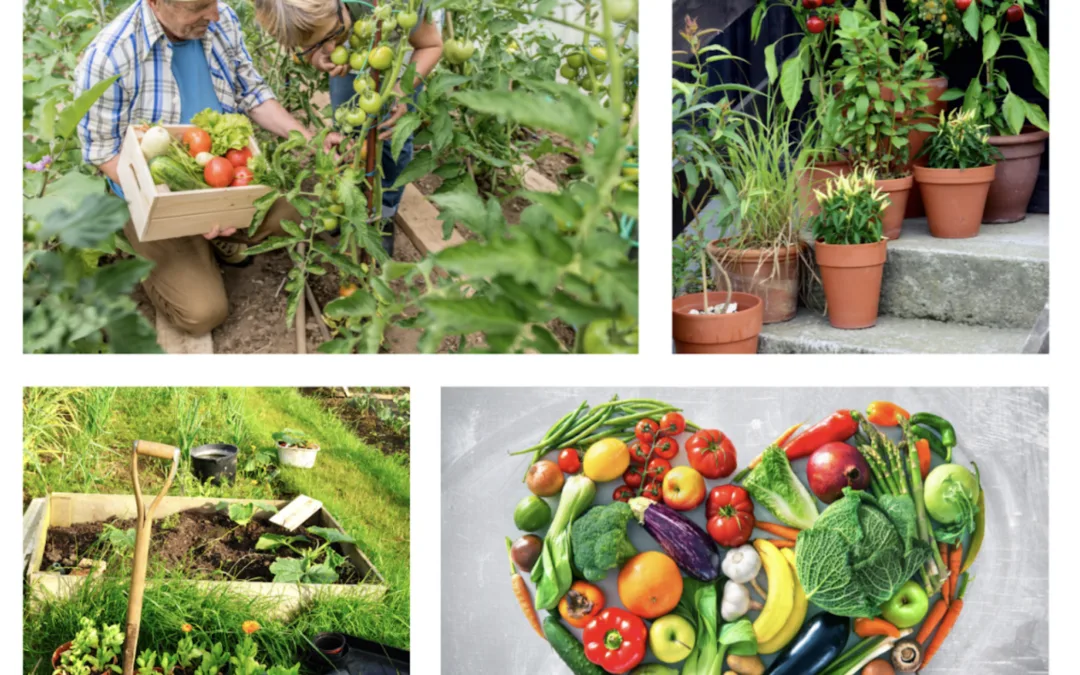
As the weather transitions into the warm embrace of spring and summer, there’s an undeniable sense of renewal and growth in the air. The days grow longer and the warmer temperatures come about, nature awakens, presenting us with the perfect opportunity to embrace the growing season. One of the most fulfilling and health-promoting activities during this time is cultivating an organic garden. Beyond the joy of witnessing your plants thrive and enjoying the fruits of your labor, there are numerous health benefits associated with growing an organic garden. Whether you grow your garden in your yard, in pots on your balcony or patio, or in a community garden you can reap many benefits of growing an organic garden. From enjoyable physical activity and stress reduction to nutrient-rich, pesticide-free produce, let’s explore the ways in which nurturing a garden can enhance your well-being.

Physical Exercise and Outdoor Activity:

Gardening provides an excellent opportunity to engage in physical exercise that is often enjoyable and invigorating as well as rewarding. Tilling the soil, planting seeds, weeding, watering, and harvesting all require movement and effort. These activities help you stay active and burn calories. Regular physical activity is essential for maintaining a healthy weight, strengthening muscles, improving cardiovascular health, and enhancing overall fitness levels. By embracing the growing season and spending time in your garden, you can reap the benefits of a natural, enjoyable workout.

Stress Reduction and Mental Well-being:

In today’s fast-paced world, stress has become more common. Gardening offers a serene escape, allowing you to disconnect from the pressures of daily life and immerse yourself in the peacefulness of nature. Research has shown that gardening can reduce stress levels, lower blood pressure, and alleviate symptoms of anxiety and depression. The act of nurturing plants, witnessing their growth, and connecting with the earth can have a therapeutic effect on the mind, promoting mental well-being and a sense of calmness.

Improved Nutrition and Healthy Eating:

When you grow your own organic garden, you have full control over the quality and freshness of the produce you consume and the cultivation process, ensuring that no harmful pesticides or chemicals are used. Organic gardening involves using natural methods to cultivate plants and avoiding synthetic fertilizers, pesticides, and genetically modified organisms. Growing your own organic garden provides a unique opportunity to cultivate a diverse range of fresh, nutrient-rich produce. By incorporating a variety of fruits, vegetables, and herbs into your garden, you can enjoy a wider array of flavors and nutritional benefits. Organic produce is packed with essential vitamins, minerals, and antioxidants that support a healthy immune system, promote digestion, and reduce the risk of chronic diseases. Freshly picked organic produce is known to have higher vitamin and mineral content compared to store-bought alternatives, providing you with a more wholesome and nourishing diet. Additionally, the act of harvesting your own food can encourage a deeper connection with the nourishment you consume.

Access to Seasonal, Local Food:

Growing your own organic garden allows you to connect with the seasons and embrace the abundance of each period. By planting a variety of crops suited to your climate and region, you can enjoy an array of seasonal delights year-round. Eating locally and in-season promotes sustainability, reduces the carbon footprint, and supports your well-being as well as the planet’s. Moreover, consuming seasonal produce ensures that you enjoy fruits and vegetables at their peak freshness and nutritional value.

Connection with Nature and the Community:

Humans have an innate connection with nature, and spending time in a garden can nurture that bond. Engaging with plants, soil, and natural elements can promote a sense of mindfulness and environmental awareness. As you observe the growth cycle of your plants, you can develop a deeper understanding and appreciation for the intricate beauty of nature. This connection can foster a sense of purpose, purposefulness, and a renewed respect for the planet we call home. Furthermore, gardening can be a communal activity that fosters a sense of community and encourages social interactions. Engaging in community gardens or sharing your harvest with neighbors and friends can potentially help cultivate bonds and connections with others.

Embracing the growing season by cultivating an organic garden offers a multitude of health benefits that go beyond the joy of watching your plants flourish. Engaging in physical activity, reducing stress, enjoying fresh, nutrient-rich produce, accessing seasonal foods, and connecting with nature are just some of the many inherent rewards of growing an organic garden. So, whether you have a sprawling backyard or just a few pots on a balcony, consider embracing the growing season and reaping the abundant health benefits of nurturing your own organic garden. Your body, mind, and taste buds may thank you!

From Infertility to Motherhood: Celebrating Mother’s Day with the Help of Acupuncture

From Infertility to Motherhood: Celebrating Mother’s Day with the Help of Acupuncture

Embarking on the path to motherhood can be a remarkable and transformative experience. However, for some women, the road to conception may present unexpected challenges. Infertility affects millions of couples worldwide, leading many to explore various options to optimize their chances of conceiving. About 1 in 5 women are unable to get pregnant after one year of trying to conceive (CDC). Amidst the plethora of approaches, acupuncture has gained attention for its many benefits.

Regulation of the Menstrual Cycle

Hormonal imbalances can directly affect the regularity of menstrual cycles. Acupuncture can be particularly beneficial for women with irregular periods or conditions such as polycystic ovary syndrome (PCOS). Many women struggle with intense cramping, headaches, clotting, or mood swings associated with their menstrual cycle. Acupuncture can help to regulate your cycle and lessen the pain. Regulating a female’s menstrual cycle by enhancing the communication between the brain and the ovaries to promote ovulation and normal hormone production.

Stress Reduction

Many times infertility can be caused by stress and anxiety. Acupuncture has been shown to help reduce stress and promote relaxation by stimulating the release of endorphins, which are the body’s natural feel-good hormones. Managing stress levels may greatly impact your fertility by balancing hormone levels and improving overall well-being.

Enhance Ovarian Function

Acupuncture may help improve ovarian function by promoting follicle development and supporting the release of mature eggs during ovulation. This can increase the chances of successful conception.

Improving Body Response to Reproductive Techniques

Improved response to assisted reproductive techniques: Some studies suggest that acupuncture administered before and after procedures such as in vitro fertilization (IVF) or intrauterine insemination (IUI) may improve the success rates of these techniques. Acupuncture may help by increasing blood flow to the uterus, reducing inflammation, and supporting the implantation of embryos in the uterus.

(It’s important you’ll speak with your healthcare provider to discuss your individual situation and determine the most appropriate approach for your specific needs.)

Here’s what our patients have to say:

Irina P.

“Dr. Min is great to work with. She will customize your treatment as needed and she has been amazing through my fertility treatment and sprained shoulder treatment.”

Jennie G.

“I absolutely LOVE and would highly recommend AWC! Min and her staff are not only extremely knowledgeable but super personable.

I started seeing Min in early January 2023 for infertility after a failed round of IVF. I heard that acupuncture helped, and decided it was worth a try to help prep for my next round of IVF.

Well, let me tell you… it was worth it!!! I am currently pregnant (April 2023), and I didn’t even have to do my second round of IVF. I am forever grateful for the help Min and her staff provided to help grow my family!!”

Say Goodbye to Allergies: Natural Supplements for Effective Relief

Say Goodbye to Allergies: Natural Supplements for Effective Relief

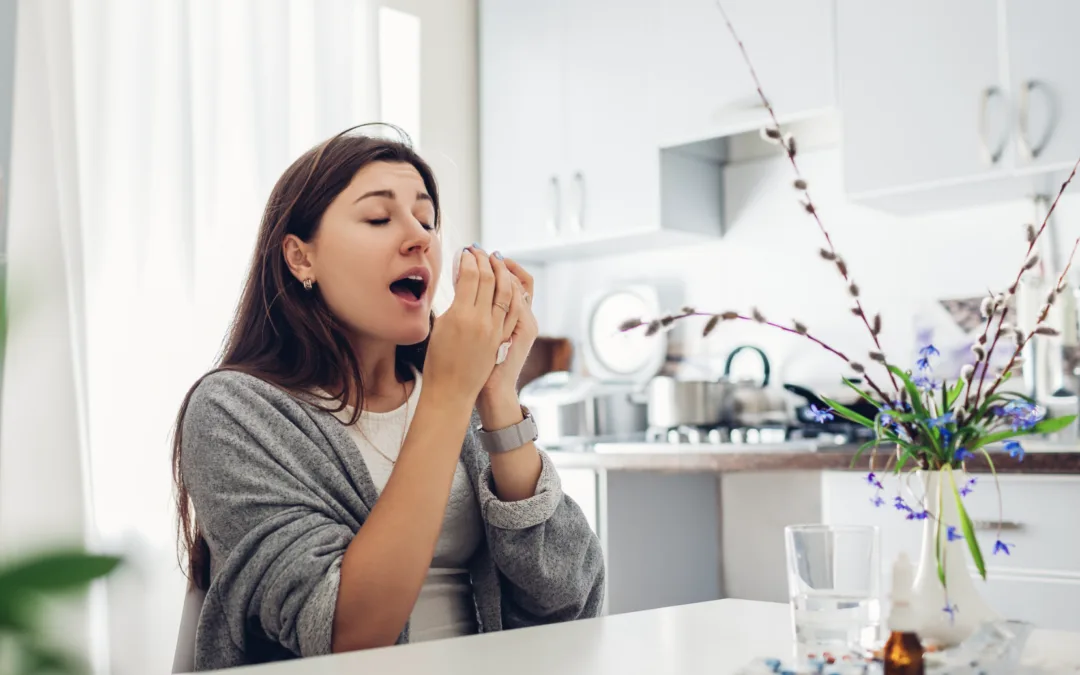
Are you tired of constantly dealing with the symptoms of allergies?

Sneezing, itchy eyes, and a runny nose can be a real hindrance to your daily life. But what if I told you that there are natural herbs and supplements that can provide effective relief? Say goodbye to over-the-counter medications and hello to the power of nature! In this article, we will explore natural herbs and supplements that have been proven to alleviate the symptoms of allergies. From local honey to butterbur extract, these remedies have been used for centuries to provide relief. So, if you’re ready to breathe easier and enjoy life without the constant discomfort of allergies, read on to discover the natural solutions that can help you say goodbye to allergies for good. Traditional allergy treatments and their limitations

Allergies are a common condition that affects millions of people worldwide. The most commonly used treatments for allergies are over-the-counter medications such as antihistamines and decongestants. While these medications can provide temporary relief, they often come with side effects such as drowsiness, dry mouth, and headaches. Moreover, these medications do not address the root cause of allergies and can only provide symptomatic relief.

So, what are the alternatives to traditional allergy treatments? The answer lies in natural herbs and supplements that can help alleviate the symptoms of allergies without any side effects. Let’s explore some of the most effective natural remedies for allergies.

Stinging Nettle – the anti-inflammatory powerhouse

Stinging nettle is a herb that has been used for centuries to treat a variety of ailments, including allergies. The leaves of the stinging nettle plant contain compounds that have anti-inflammatory properties, making them an effective natural remedy for allergies. Stinging nettle can be taken in the form of teas, tinctures, or supplements.

Studies have shown that stinging nettle can significantly reduce the symptoms of allergies, including sneezing, runny nose, and itchy eyes. In one study, participants who took stinging nettle supplements reported a significant improvement in their allergy symptoms compared to those who took a placebo. Stinging nettle is also rich in vitamins and minerals, making it a great addition to your daily diet.

Butterbur – the natural antihistamine

Butterbur is another herb that has been used for centuries to treat allergies. The root of the butterbur plant contains compounds that act as natural antihistamines, making it an effective remedy for allergies. Butterbur can be taken in the form of supplements, teas, or tinctures.

Studies have shown that butterbur can significantly reduce the symptoms of allergies, including sneezing, runny nose, and itchy eyes. In one study, participants who took butterbur supplements reported a 50% reduction in their allergy symptoms. However, it is important to note that raw butterbur contains compounds that can be toxic to the liver, so it is important to only take butterbur supplements that have been processed to remove these compounds.

Turmeric – the inflammation-fighting spice

Turmeric is a spice that has been used in traditional medicine for thousands of years. It is known for its anti-inflammatory properties and has been shown to be effective in treating a variety of conditions, including allergies. Turmeric can be taken in the form of supplements or added to your daily diet as a spice.

Studies have shown that turmeric can significantly reduce inflammation in the body, which can help alleviate the symptoms of allergies. In one study, participants who took turmeric supplements reported a significant reduction in their allergy symptoms compared to those who took a placebo. Turmeric is also rich in antioxidants, making it a great addition to your daily diet.

Vitamin C – the immune-boosting supplement

Vitamin C is an essential nutrient that plays a vital role in immune function. It is also a natural antihistamine and can help alleviate the symptoms of allergies. Vitamin C can be taken in the form of supplements or added to your daily diet through foods such as citrus fruits, berries, and leafy greens.

Studies have shown that vitamin C can significantly reduce the symptoms of allergies, including sneezing, runny nose, and itchy eyes. In one study, participants who took vitamin C supplements reported a significant improvement in their allergy symptoms compared to those who took a placebo. Vitamin C is also a powerful antioxidant that can help boost your immune system and protect against oxidative stress.

Probiotics – the gut-health improver

Probiotics are live bacteria and yeasts that are good for your health, especially your digestive system. They are naturally found in your gut and can be taken in the form of supplements or added to your daily diet through fermented foods such as yogurt, kefir, and sauerkraut.

Studies have shown that probiotics can help improve gut health, which can in turn help alleviate the symptoms of allergies. Your gut health plays a vital role in your immune system, and a healthy gut can help reduce inflammation and boost your immune system. In one study, participants who took probiotic supplements reported a significant improvement in their allergy symptoms compared to those who took a placebo.

Essential oils – the natural allergy reliever

Essential oils are highly concentrated plant extracts that are used in aromatherapy and other alternative therapies. Certain essential oils have been shown to be effective in treating the symptoms of allergies. Some of the most effective essential oils for allergies include peppermint, eucalyptus, and lavender.

Peppermint oil has anti-inflammatory and antimicrobial properties and can help alleviate the symptoms of allergies, especially nasal congestion. Eucalyptus oil has antihistamine properties and can help reduce inflammation in the respiratory system. Lavender oil has a calming effect and can help reduce anxiety and stress, which can exacerbate allergy symptoms. Essential oils can be used in a diffuser, added to a bath, or applied topically after dilution with a carrier oil.

Lifestyle changes to alleviate allergies

In addition to natural herbs and supplements, certain lifestyle changes can also help alleviate the symptoms of allergies. Here are some tips to help you manage your allergies:

  • Avoid allergens: Identify the allergens that trigger your symptoms and try to avoid them as much as possible. For example, if you are allergic to pollen, try to stay indoors during peak pollen season.

  • Keep your home clean: Regularly clean your home to reduce the amount of dust, pet dander, and other allergens.

  • Use a humidifier: A humidifier can help keep the air moist, which can help alleviate the symptoms of allergies.

  • Stay hydrated: Drinking plenty of water can help thin out mucus and reduce congestion.

  • Manage stress: Stress can worsen allergy symptoms, so it is important to find ways to manage stress, such as meditation or yoga.

Understanding the causes of allergies

Lastly, it is important to understand the causes of allergies to effectively manage them. Allergies are caused by an overactive immune system that mistakes harmless substances such as pollen or pet dander as a threat. By identifying the allergens that trigger your symptoms and taking steps to avoid them, you can effectively manage your allergies.

In conclusion, natural herbs and supplements can provide effective relief for the symptoms of allergies without any side effects. From stinging nettle to probiotics, there are a variety of natural remedies that can help you say goodbye to allergies for good. By making certain lifestyle changes and understanding the causes of allergies, you can effectively manage your symptoms and enjoy life without constant discomfort.

I turned to Acupuncture for my Chronic Rheumatoid Arthritis

I turned to Acupuncture for my Chronic Rheumatoid Arthritis

Ever since I was diagnosed with rheumatoid arthritis at twenty-eight years old, it has slowly taken over control of my life. The pain and stiffness in my joints made it difficult for me to perform even the simplest of tasks, like opening a jar or walking up a flight of stairs. I had lived a relatively healthy lifestyle and never would I have thought that I would be relying on prescription drugs to manage my symptoms. Drugs that would bring way more negative side effects that outweigh the pain relief. I was determined to find an alternative treatment.

Doctor after doctor would tell me about conventional medications to mask the symptoms, including nonsteroidal anti-inflammatory drugs (NSAIDs), corticosteroids, and disease-modifying antirheumatic drugs (DMARDs). While these treatments can be effective, they came with a long list of side effects ranging from nausea and fatigue to increased risk of infections and osteoporosis. Not only that, but most of the medications did not work for me.

I was told time and time again, “This is something you are just going to have to live with.”

To which I respond, “Not if I can help it”

I’d stumbled upon an article that told a story of a gentleman, who had also been dealing with the chronic pain of Rheumatoid Arthritis and traveled to China to discover a true, natural solution. Acupuncture.

With further research I found that Acupuncture works by stimulating the body’s natural healing mechanisms, promoting circulation, and reducing inflammation. It can also help to relieve stress and anxiety, which can contribute to chronic pain. Studies have shown that acupuncture can be an effective treatment for chronic arthritis pain. Acupuncture was more effective than usual care in improving pain and quality of life in patients presenting with cases like mine.

I decided to try acupuncture as a last resort. As to be expected, after my first session I hadn’t felt a significant change. But, with a consistent treatment schedule, I felt a noticeable improvement in my pain levels after my first month! Over the course of several weeks, I continued to receive acupuncture treatments, and my pain levels continued to decrease. I have experienced firsthand that Acupuncture can provide significant relief and has greatly improved my quality of life. It’s important to find a licensed and experienced acupuncturist who can tailor the treatment to your specific needs. For me, it was Acupuncturist Min, Jeon. Additionally, it’s important to keep an open mind and be patient, as it may take several sessions to see the full benefits of acupuncture.

I am back performing those everyday tasks like opening all the pickle jars in my fridge and taking the stairs as frequently as I please.

My personal experience with acupuncture has been nothing short of miraculous, and I encourage others struggling with chronic pain to consider trying acupuncture as a means to get their LIFE BACK.